One of the things buyers often look for or focus on is the fibre. Buyers always ask whether the fabric is cotton or linen, or Tencel. But how the fabric is woven actually comes much later in the conversation between the buyer and the manufacturers.
This is a mistake buyers or new buyers often make. But you need to understand that the weave of the fabric is often the reason why fabrics made from the same yarns behave completely differently. It directly affects the texture, drape, durability, and even the overall appearance of the fabric.
If you are new to Textiles and you want to understand more about woven fabric, this article is going to help you understand the details of individual weave types.
Check out our digital swatch here
Plain Weave Fabric
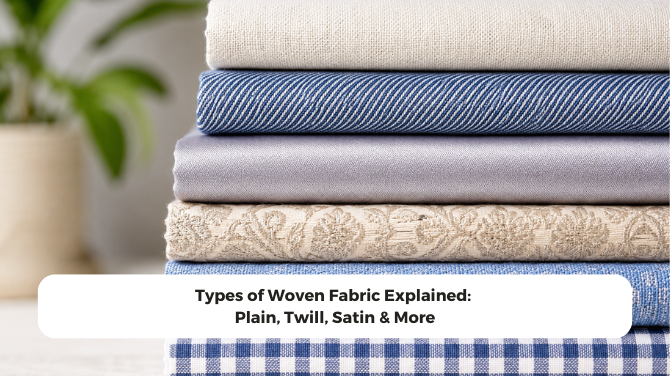
Plain weave is probably the most common type of weave structure in the textile industry. Not only in India, but it is popular around the world. It is a simple construction because the yarns pass over each other in a repeated fashion.
Because of this specific type of weave structure, plain fabrics are usually more stable and durable. It is most commonly used for making shirts, uniforms, cutting fabrics, and other home textile goods.
Brands and other buyers prefer plain weave fabric because we can predict the production process easily. We have discussed this in Greater detail in our recent article on plain weave fabric, feel free to check it out.
Twill Weave Fabric
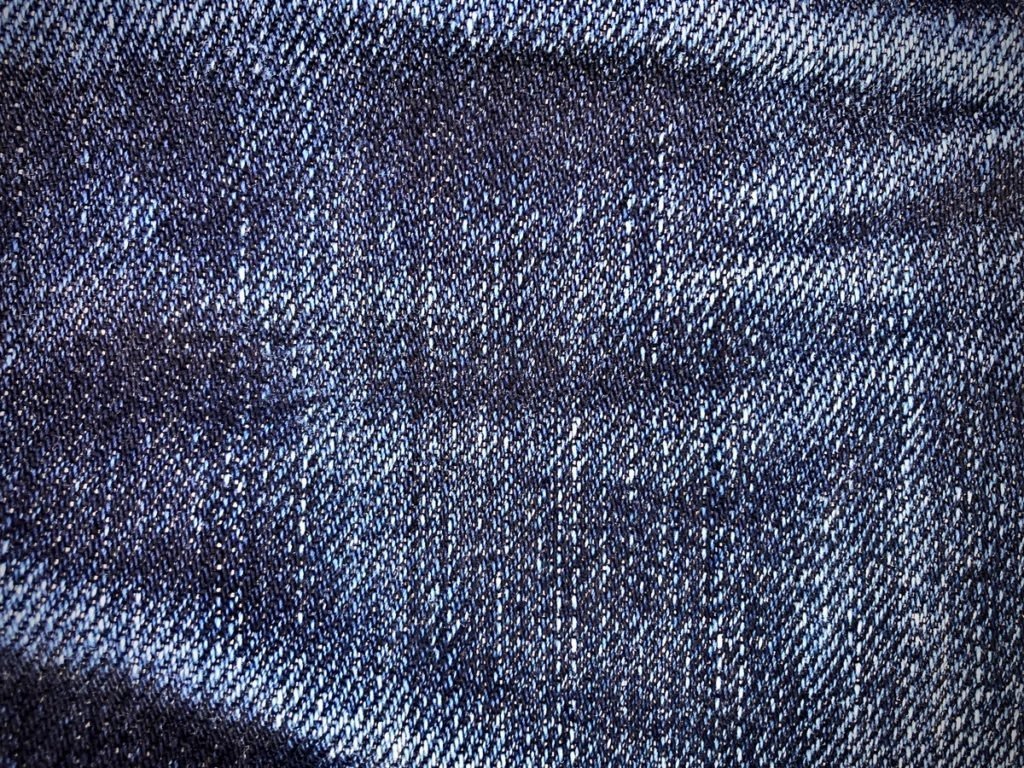
One of the best examples to understand it will be to look at a denim fabric. If you look closely at a denim, you will notice that the lines are running diagonally along the surface. This is one of the easiest ways to identify if a fabric is twill weave.
Compared to a plain weave, twill weave interlaces the yarns differently, creating a softer and more uniform structure. This is exactly why twill fabric is used in making trousers, uniforms, and other workwear.
Another advantage of will fabric is that it is slightly resistant to wrinkling. Many brands prefer will because it often recovers better from creasing compared to other plain weave structures. We have compared the top 3 fabric weaving structures in our recent article on plain versus twill versus satin fabrics.
Satin Weave Fabric
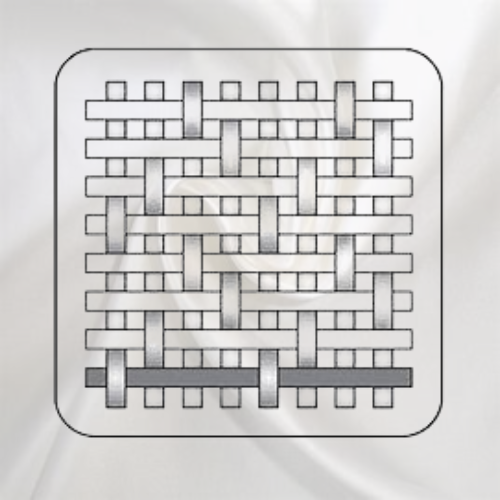
If you come across a smooth and lustrous surface fabric, you can be mostly sure that it is a Satin fabric, because most satin fabrics are easily identified by these two characteristics. You will be surprised to know that people without a textile background will also be able to identify them easily.
The reason why Satin fabrics are shining is that they use longer yarns that sit on the surface of the fabric. Because of this reason, the light actually reflects differently compared to the plain and twill fabrics.
If appearance is a priority for you, then Satin fabric is an ideal option for you. This will create a premium look, although it generally requires more careful handling during use.
Jacquard And Dobby Fabrics
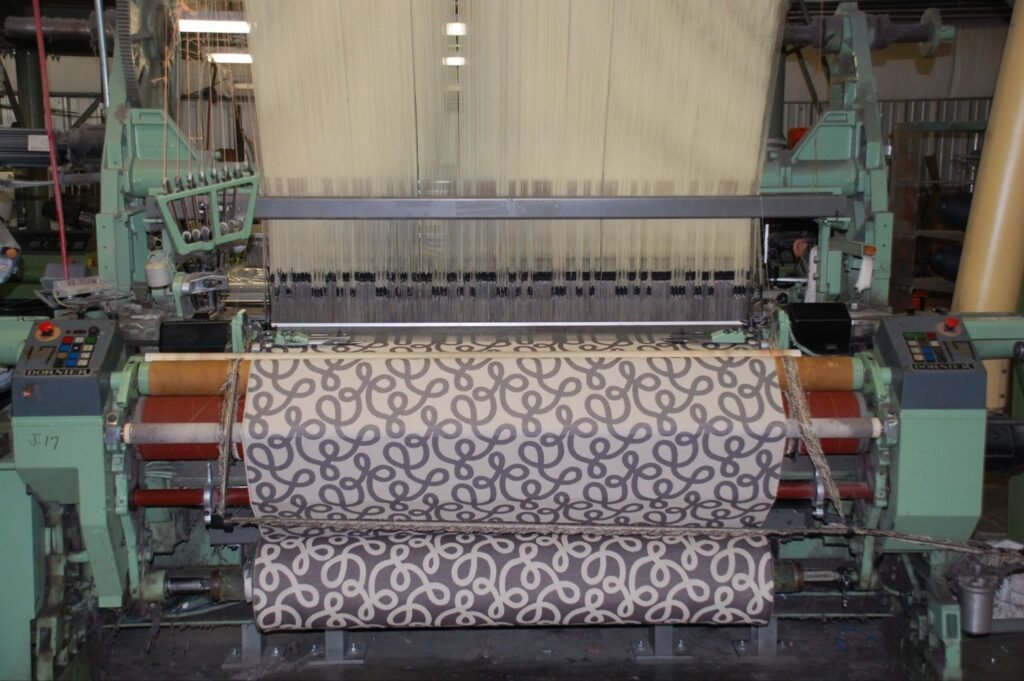
Jacquard and Dobby fabric is where things start to get complicated. Even though you might hear both these terms used interchangeably, there are many differences in how they are made.
Jacquard fabrics allow for much larger and more complex designs to be woven into the fabric itself. The pattern of the fabric will be a part of the construction itself, rather than being printed on it in a later stage.
Dobby fabrics, on the other hand, work in a similar way, but the patterns are usually smaller and more repetitive. Most of the Dobby fabrics are used in making shirts because they add texture without becoming too bold. If you want to learn more about Dobby fabric, check out our latest articles on it.
The Weave Changes More Than Most People Realize
Many buyers often assume that GSM of the fabric is the most important thing in deciding the performance of the fabric. Yes, it is an important part, but it is not the only factor that decides the performance.
Two fabrics can be the same rate and still feel completely different because of the weave structure. The texture, the drape, the wrinkling behaviour, and overall appearance can all change even when the GSM remains the same with a different weaving structure. In our recent article on fabric GSM, we discussed this in detail.
Another thing that matters is the yarn itself. If you are using a premium yarn, it means that the overall fabric will look much cleaner and well-made. You can learn more about yarns in our recent article on cotton yarn.
For example, a twill fabric made with premium yarn will always behave differently from a twill fabric made with lower-grade yarn, even when the weaving and Fabric GSM are the same.
Sampling Usually Reveals The Difference
In almost all the articles and pieces of content that we put out, we always emphasize the importance of getting samples from your manufacturer before going into full production. because there is a limit to what a fabric specifications sheet can tell you.
This is the reason why you are receiving completely different Fabric quotations from different manufacturers for the same piece of fabric. The difference often comes from the sampling process and what type of quality control is established.
Experience Sourcing teams and buyers almost always request woven fabric samples before approving production or even considering a manufacturer.
Working With A Woven Fabric Manufacturer
At Dinesh Exports, we have been providing bovan fabrics of all types for more than three decades across plain weave, twill weave, jacquard fabric, Dobby fabric, yarn dyed fabrics, linen blend fabrics, and all types of sustainable fabrics.
We have more than 200 employees working towards achieving the goals for our clients, from product development to shipping. We also ensure that our clients get the right after-sales services.
If you’d like to learn more about us, feel free to contact us here.
Final Thoughts
To conclude, understanding different types of woven fabrics helps buyers make better buying and sourcing decisions, especially if you are new to textiles.
Plain weave, twill, satin, jacquard, and dobby fabrics all have their own strengths and weaknesses. No weave type is better than the other; everything has its own applications and daily use cases.
The best way to go about it is to understand the end product, the type of performance that you are looking for, and the overall fabric development goals of your brand or your Enterprise. This is the reason why we should look beyond just the fibre and pay close attention to the weave itself.
FAQs
Which weave structure is best for shirts?
Plain weave, twill, and dobby fabrics are all commonly used for shirts, depending on the desired final look and feel.
What is the difference between jacquard and dobby fabric?
Jacquard creates larger and more complex patterns. Dobby produces smaller textured designs ideal for shirts and other small garments.
Does weave structure affect fabric price?
100%, the more complex weave constructions usually cost more to manufacture.
Can the same yarn be used in different weave types?
Of course they can. The same yarn can produce very different fabrics depending on the weave used in the manufacturing process.
Why is fabric sampling important?
Sampling will help buyers understand or get a glimpse of what the final fabric will look like in production.