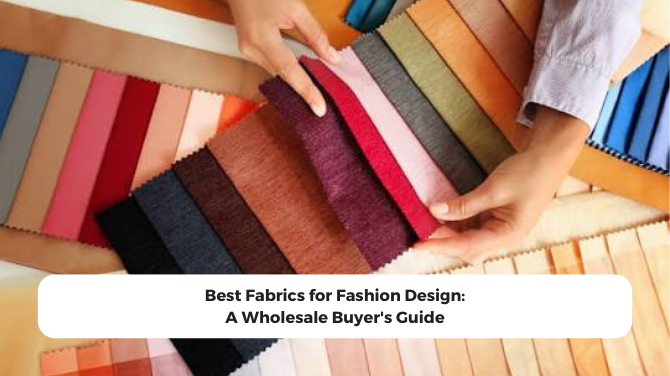
New fashion brands are making a huge mistake by choosing fabrics based only on how few fabrics looks. Looks matter, but that should not be the only thing fashion brands should be looking for. A beautiful fabric may wrinkle too much or lose its shape after washing. Or, worst case, it can lose its performance entirely after washing. This is the reason why experienced designers are spending a lot of time researching and selecting the right fabrics they want to create designs in. The best fabrics for fashion design always depend on the type of garment you plan to create, the season in which it is worn, and the type of people its gonna be worn by.
Download our digital swatch here
What Makes A Fabric Good For Fashion Design?
It is impossible to find a fabric that works for all types of fashion design requirements. Depending on whether you are looking for structure, softness, or drape, choosing fabric comes down to the factors below:
- Weight (GSM)
- Breathability
- Drape
- Wrinkle behaviour
- Durability
- Ease of sewing
- Cost
If you like to learn more about how fabric GSM influences a garment, then feel free to check out our recent article on Fabric GSM here.
5 Popular Fabrics Used In Fashion Design
Let’s look at the top 5 popular fabrics used in fashion design by designers around the world.
- Cotton
Cotton fabric is used by almost all the fashion designers because it is one of the safest choices in apparel manufacturing till date. This is due to its qualities like breathability, comfort while wearing it, easy for manufacturers to produce, easily available, and almost all the garment categories can use it one way or another.
If you like to learn more about cotton and cotton blend fabrics, our recent article on Cotton Blend Fabric will help you.
- Linen
Linen fabric is widely used by fashion designers to make premium and affordable premium products. The natural texture of linen that is widely recognizable, combined with its breathability, makes linen and linen blend fabrics preferred in warm-weather-related products and seasons. We discussed this topic a lot more in our recent article on Linen Blend Fabric.
- Lyocell
Lyocell fabric, also called Tencel by some buyers, is one of the growing sustainable woven fabrics used by fashion designers. Lyocell fabric is highly popular for its qualities like better softness, moisture control, and overall drape. If you are a fashion brand or a designer focused on sustainable products, then you should add a line of Lyocell fabrics to make it stronger. If you are looking to source Lyocell fabrics from India, then please read our guide on Lyocell Fabric Manufacturers in India.
- Hemp Blend Fabric
Hemp blend fabrics are another type of sustainable fabric that is gaining attention and demand from people around the world. This is making fashion brands and designers look at it differently and come up with functional and premium products with it. Hemp fabric is blended with various types of fibers to offer better fabrics
- Polyester Blends
Even though polyester has a bad name in the market for its environmental effects, it’s still one of the most in-demand fabrics out there. It is often blended with other fibers to improve its wrinkling, durability, etc and the ratio for mixing it depends on the final type of garment they are planning to make.
Fabric Construction Matters Just As Much
Fashion designers focus heavily on the fiber composition and often forget the weave construction. It is also important and a defining factor in deciding how a fabric behaves. For example, if you are using a plain weave fabric instead of a twill woven fabric, the final product behaves differently. We have written extensively on the differences between various weave constructions in our recent article on Types of Woven Fabric Explained.
Sampling Always Comes Before Bulk Orders
If you are a fashion designer, then we highly recommend always getting the samples made or sent to you before you even try to order in bulk. This will allow you to actually feel the fabric in real life, in your hands, and see what the final products will look like. There is a limit to how much a technical sheet can tell you. Even when everything is perfect on a technical sheet, the final product may not turn out the way you wanted. In order to avoid this expensive mistake, it is always important to get your samples before a bulk order.
Working With Woven Fabric Manufacturers
If you’re sourcing fabrics regularly then you know how difficult it is to find a reliable supplier that provides the best products at the right price. At Dinesh Exports, we work with new fashion brands and established fashion brands to provide them with exceptional quality woven fabrics that are ideal for their new and existing fashion line-ups. We have over 30 years of experience and employ over 200 professionals who also qualify in various parts of fabric manufacturing. We focus on maintaining the highest quality across sampling and final production. Enquire with us here.
Final Thoughts
For fashion designers looking for the perfect fabric, it is not the price or sustainability qualities to look at. The right choice on which fabric to use depends on the type of garment you are looking to produce, where the customers are from, which season they are going to wear it, and the ultimate performance they will be looking for in the final product. Fashion designers who understand the quality, fiber selection, weave construction, etc will always make a better fabric sourcing decision than someone that do not possess such knowledge.
Frequently Asked Questions
Which fabric is best for fashion design?
There is no perfect fabric for this, but the five most popular 5 fabrics are Cotton, linen, Lyocell, and hemp blends.
Is cotton still the most popular fashion fabric?
Yes it still remains one of the most widely used fabrics.
Why do designers use fabric blends?
Blending fibers instead of using a 100% pure fabric mixes and reciprocates the qualities of each fiber.
Should buyers request samples before ordering?
With sample fabric in your hand, you can better understand how the final fabric will actually look instead of getting an order with errors.
Does weave construction affect garment performance?
Yes, all the weave constructions behave differently and directly affect the performance.