TL;DR
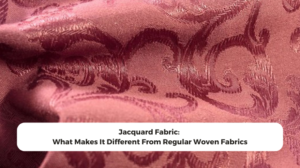
Jacquard fabric is made using a special weaving technique. The patterns are woven directly into the fabric rather than creating in using a printing process or a dyeing process. This allows for more complex designs, but at the same it will make it much more complex than the normal weaving process. The production process needs to be control from beginning to end, to maintain consistency and get results that are commercially acceptable.
Jacquard Fabrics are not just decorative
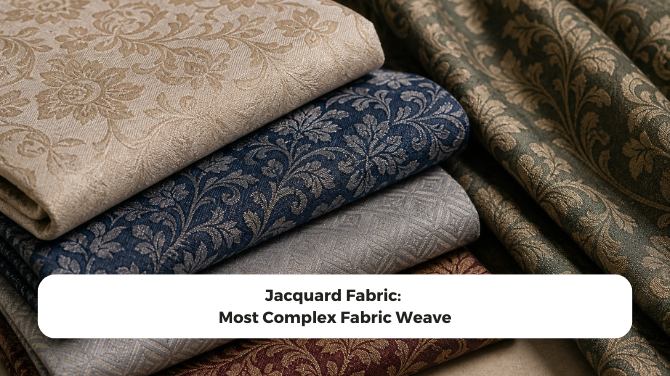
Whats the first thing that gets people to notice a piece of fabric? Its the pattern, geometry, florals, and the high details on them. Some patterns give a rich look, often admired by people. But many people do not know that these textures are woven into it. They think its either printed or dyed.
What Jacquard Fabric Actually Means
Most people this when they hear jacquard fabric, they think its made up of some special fiber material. But they fail to understand that its made of up of weaving patterns directly onto the fabric during production. This is why detailed and non-repetitive patterns are added to fabrics, unlike other type of fabrics.
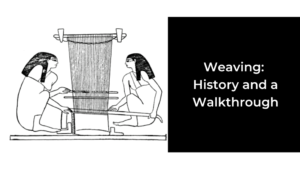
In our article woven fabrics we talked about how woven fabrics are created, similarly jacquard fabric is an advanced version of that. Manufacturers can easily create patterns that are not repeatable, helping them create variations across the entire fabric material.
Where It Comes From (And Why It Matters)
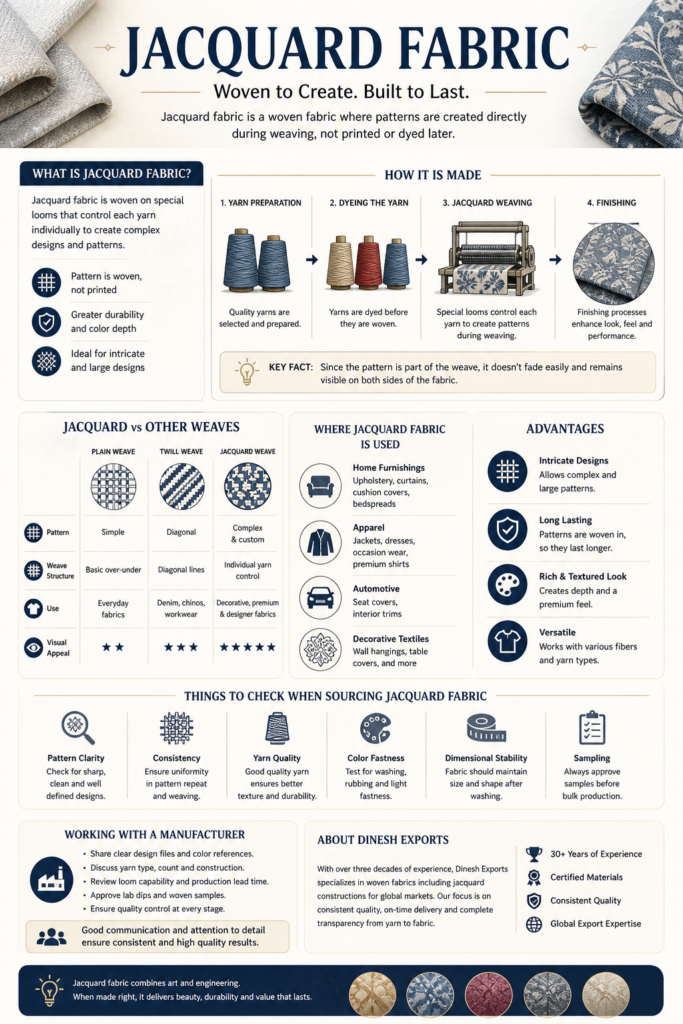
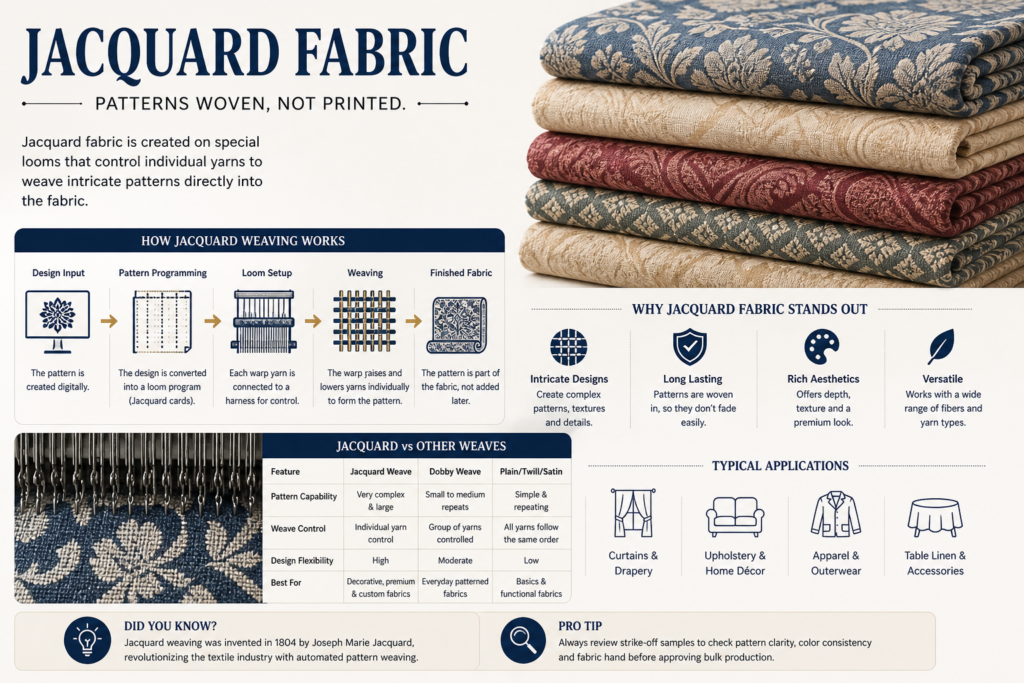
The jacquard fabric is made using a jacquard loom. This was invented in the 1800, making it easy for manufacturers to control each yarns using a punch card. Many people say that this was also the origin for new digital technologies and systems. The core concept seems to remain the same. How these punched cards create intricate patterns.
What Makes It Different From Other Weaves
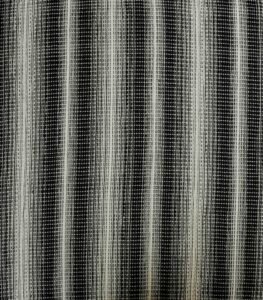
If you have noticed, many ordinary woven fabrics contain a repeating structure. For example if we take plain weave, its yarn woven alternatively. Twill is woven diagonally and satin is woven with a reduced interlacing to create a smoother surface.
This is where jacquard fabric is different. It does not reply on a repeating weaving pattern. This allows for a larger and more detailed designs to be woven directly into the fabric. Some people compare this to dobby fabric, but on a different scale. Dobby fabrics cannot handle patterns like jacquard fabric at that scale but in smaller sizes.
Small change, big shift
One unique feature of jacquard fabric is that while manufacturing them, a slight variation in yarn, tension, or any of the finishing can change how the pattern appears on the surface. Thi will create patterns that are slightly raised from the fabric, and other times flat. Ultimately the final look depends on how the manufacturer weaves and finishes the process.
How Jacquard Fabric Is Manufactured
This do not mean jacquard fabrics are manufactured using a process that are not entirely different from the others. The preparation of the yarn and warps are the same. The difference only comes after that when the weaving process starts. The use of special looms and punch cards make it better.
The people operating the looms are highly familiar with the process. They can easily set up the loom and make sure the end result is as expected. The patterns is going through the exact program matching its yarn behavior. Once the weaving process is complete, the finishing process will give the entire fabric an enhancing look.
It’s Not Just About Appearance
Everyone chooses jacquard fabric for its visual appeal. Its eye catching. But many fail to understand that the structural variation within the same fabric. Due to the weaving pattern, some aread of the fabric may feel heavier and raised, and other flat and uneven. This affects the drape, overall comfort an how durable the fabric feels in general.
Where Jacquard Fabric Is Used
Jacquard fabric is commonly used in almost all types of products. These products are mainly design and pattern oriented and give visual appeal a great priority. This is why you will see it in clothing, upholstery, and in some cases in premium shirting. It is also used in making jackets, dresses, and party or occasional wear. Compare this to yarn dyed fabrics where patterns comes from colored yarns, jacquard fabrics get the design from the weave itself.
Dyeing and Finishing Need More Attention
It is easy to show variation on a jacquard fabric because of the unevenness of the surface. This will change the absorption difference across the fabric. You will be seeing lighter and darker patterns here and there. It is mainly controlled by the finishing process.
In our recent article on criteria for selecting dyes by fiber content, we discuss how both fiber and structure affect the final result.
Jacquard fabrics can show variation more easily. Because the surface is not uniform, dye absorption may differ slightly across the fabric.
Some areas may appear lighter or darker depending on the structure. This needs to be controlled during processing.
Sampling Is Not Optional Here
Becuase the manufacturing process is so complex, it is highly crucial to make the sampling process a priority. Just letting the manufacturer know the specification is not enough to predict the final output.
A sample will show how the final pattern will look and how the colors look, and the overall behavior. Sometimes a good design that looks great in a digital medium may not look great in real life. This is why sampling we discuss woven samples are a necessary step before production.
Checklist for sourcing
1. Clear pattern with finished edges
2. Pattern repetition without visible variations
3. Consistent output
4. Yarn quality and finish
5. Bulk production
Working With a Manufacturer
If you have made it through till here you already know that the manufacturing process of jacquard fabric is complex. It requires coordination across multiple teams like the design team, yarn selection team, weaving teams and finally finishing. They all need to align.
Even a small misalignment can affect the final result of the order. That is why you need to select an experience partner like Dinesh Exports for your requirements.
We ate Dinesh Exports have been manufacturing all kinds of woven fabrics for over three decades. Including jacquard fabrics. We maintain consistency and ensure the final batch is as per client requirement. If you like to learn more about the process or want to enquire, please contact us.
Conclusion
Jacquard fabric is a high demand, visually appealing fabric. It is made with a specialized loom with a punctured pattern, woven right into the fabric rather than printing it or dyeing it. Fabric souring managers should be aware of the complexity of the process and select manufacturers that are experienced and committed in delivering the results that you are looking for.
Frequently Asked Questions
What is jacquard fabric?
Jacquard fabric is a woven fabric where patterns are created directly during the weaving process.
Is jacquard a fabric or a weave?
It is a weaving technique, not a fiber or material.
Is jacquard fabric durable?
It can be durable depending on yarn quality and construction.
Where is jacquard fabric used?
It is used in upholstery, apparel, and decorative textiles.
Is jacquard fabric expensive?
It is usually more expensive due to the complexity of production.