TL;DR
Jacquard fabric is a woven textile where patterns are built directly into the structure instead of being printed or embroidered. It allows complex designs but requires more control in weaving and sourcing.
It’s Not Just a Fabric. It’s a Method
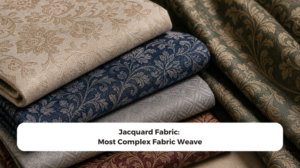
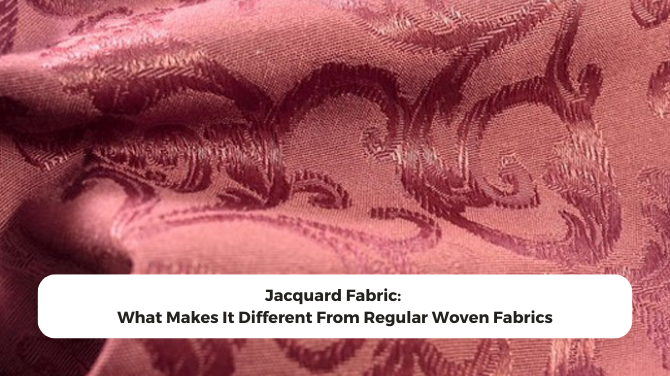
A lot of people think jacquard is a type of fabric like cotton or polyester. It’s not. It’s a way of weaving. That’s the first thing to get clear. Because once you understand that, everything else starts to make more sense. The pattern you see in jacquard fabric is not added later. It’s created during weaving itself. Which means the design is part of the structure. Not something sitting on top of it.
Where Jacquard Fabric Comes From
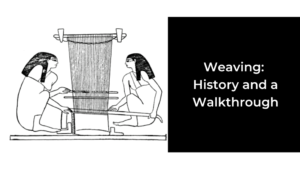
Jacquard weaving goes back to the early 1800s. It became possible after the invention of the Jacquard loom, which allowed individual control of warp threads. Before that, creating complex patterns in fabric was slow and limited. With this system, patterns became more detailed and repeatable. That changed textile production completely. Even today, modern jacquard machines follow the same core idea, just more automated.
What Makes Jacquard Fabric Different
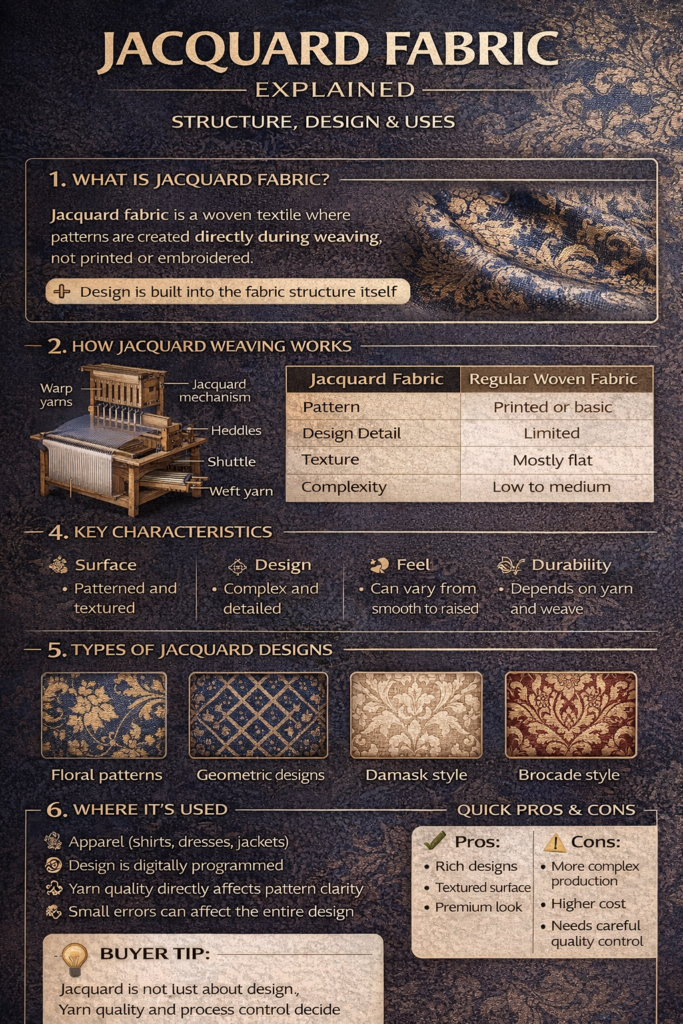
In most woven fabrics, the pattern depends on simple repeat structures. Plain weave, twill, satin. But jacquard doesn’t follow that limitation. Each thread can be controlled independently. Which means designs can be floral, geometric, abstractor textured. And they don’t repeat in a basic way. That’s why jacquard looks more detailed compared to something like dobby fabrics, where patterns are smaller and more repetitive. Jacquard goes further.
How Jacquard Fabric Is Made
The process starts like any woven fabric. Yarn selection comes first. And this matters more than expected because the yarn defines how the design will show up. Then comes the design stage. Patterns are converted into digital instructions for the loom. Each thread movement is programmed. That’s what allows the machine to create complex patterns directly during weaving. After weaving, finishing processes are applied depending on the end use. Softening, washing, sometimes coating. Here’s something worth noting. Even a small error in setup can affect the entire design. So the margin for error is lower compared to simpler fabrics.
Types of Jacquard Fabric You’ll Come Across
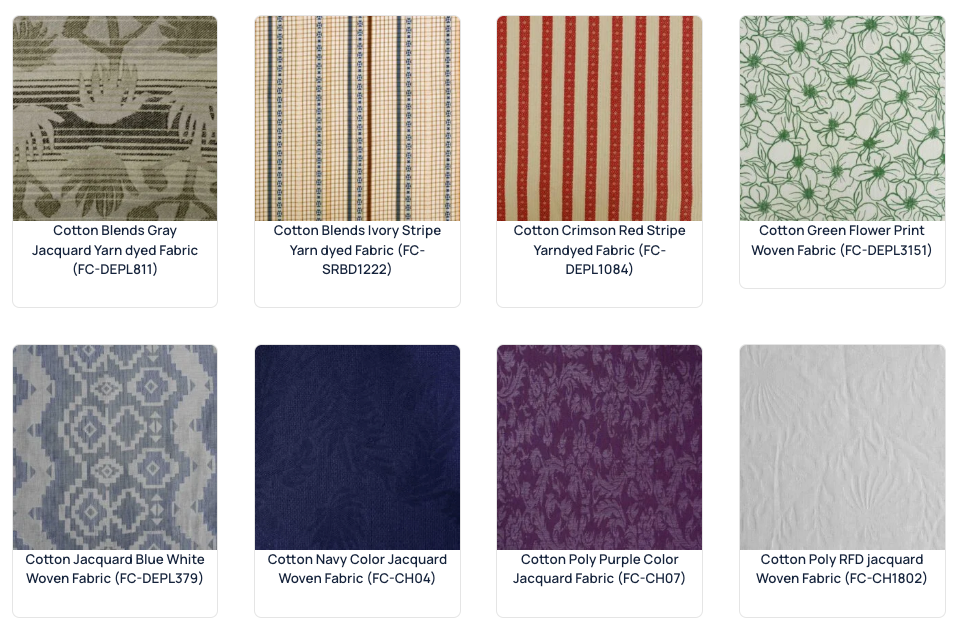
Jacquard is not one single look. It shows up in different forms depending on design and yarn. Some fabrics are subtle, where the pattern is only visible under light. Others are bold and textured. You’ll also find variations where multiple colors are used within the weave.
This is different from printed cotton fabrics like cotton fabric printed, where the design sits on the surface. In jacquard, the design is structural. That’s the difference.
Texture Is a Big Part of It
Jacquard fabric is not just about visuals. It also changes how the fabric feels.
Depending on the design, you might get raised patterns, flat woven designs, and mixed textures. This adds depth to the fabric. It’s one of the reasons brands use jacquard when they want something that looks and feels different without adding extra layers.
Where Jacquard Fabric Works Best
You’ll usually see jacquard in applications where design matters. Apparel, especially statement pieces like home textiles, upholstery, and curtains, in premium collections. But it’s not always used for basics. Because the process is more complex, it’s typically reserved for products where design adds value.
The Role of Yarn in Jacquard Fabric
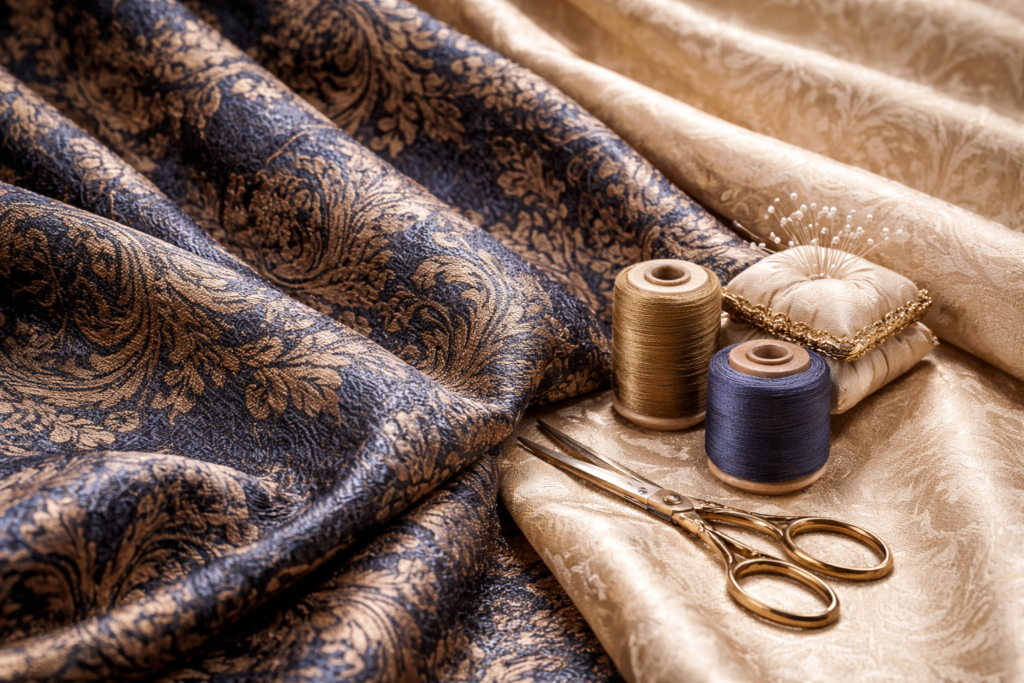
This is something that doesn’t get enough attention. Yarn choice can completely change how the design looks. Finer yarns create more detailed patterns. Coarser yarns make the design more pronounced but less intricate. We’ve seen similar effects in structured fabrics like <a href=”https://dineshexports.com/twill-fabric/”>twill fabric</a>, where yarn and construction together define the outcome. With jacquard, that relationship becomes even more important.
Dyeing and Color Control
Color behaves differently in jacquard fabrics. Because multiple yarns are used, color consistency depends on each yarn being processed correctly. If one yarn absorbs dye differently, the pattern may not look balanced. This is where process control matters. We’ve seen similar challenges in criteria for selecting dyes by fibre content, where fiber differences affect dye results. With jacquard, those differences become more visible because of the pattern.
Sampling Is Not Optional Here
With jacquard, sampling becomes even more critical. Because you’re not just checking fabric. You’re checking the design outcome. Sometimes, a pattern that looks good digitally doesn’t translate well into fabric. Scale changes, detail loss and unexpected texture. These things show up only in actual samples. We’ve seen how early sampling helps in processes like woven sample, and with jacquard, skipping this step usually leads to rework.
Export Orders and Repeatability
This is where jacquard gets tricky. In bulk production, maintaining consistency across batches is not always straightforward. Small differences in yarn, tension, or machine setup can affect the pattern. Even slight shifts can be visible. That’s why experienced suppliers focus heavily on process control. We’ve seen similar issues in sourcing environments, like why buyers struggle with Indian woven fabric exporters, where consistency becomes the real challenge.
A Practical Observation
Jacquard fabric looks impressive. But it’s also less forgiving. With simpler fabrics, minor inconsistencies may go unnoticed. With jacquard, they stand out. Because the design itself makes everything more visible. So it’s not just about choosing jacquard. It’s about managing it properly.
Jacquard vs Other Woven Fabrics
If you compare jacquard with basic weaves, the difference is clear. Plain weave is simple and durable. Twill adds texture and flexibility. Satin adds smoothness. Jacquard adds design complexity. Each serves a different purpose. Jacquard is not better. Just more specialized.
Keyword Clusters Around Jacquard Fabric
Jacquard fabric design, what is jacquard fabric, jacquard weave fabric, jacquard vs dobby fabric, jacquard textile uses, jacquard pattern fabric.
Final Thoughts
Jacquard fabric is not about simplicity. It’s about control. Control over design, structure, and outcome. That’s what makes it powerful. But also what makes it more demanding. Once you understand how it’s made and what affects it, sourcing becomes much easier. And you start seeing it less as a “fancy fabric” and more as a technical one. If you are looking for jacquard fabric please contact us.
Frequently Asked Questions
What is jacquard fabric?
It is a woven fabric where patterns are created directly during weaving instead of being printed or embroidered.
Is jacquard fabric expensive?
It can be more expensive due to complex weaving and design control.
What is the difference between jacquard and dobby?
Jacquard allows complex, large-scale patterns, while dobby is limited to smaller, repetitive designs.
Is jacquard fabric durable?
Durability depends on yarn and construction, but it can be strong if made properly.
Where is jacquard fabric used?
It is used in apparel, upholstery, and home textiles where design and texture are important.