TL;DR
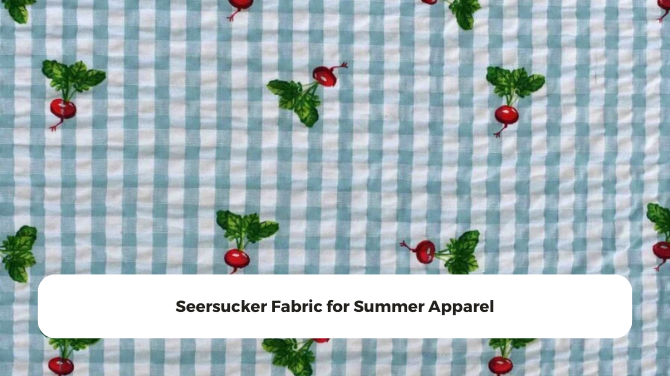
Seersucker fabric is widely used in summer apparel because of its lightweight feel, breathable structure, and natural puckered texture. It reduces skin contact, improves airflow, and requires minimal ironing. For apparel brands, sourcing seersucker fabric from experienced exporters ensures consistency in texture, dyeing, and bulk production.
Check out our digital fabric swatch here
Why Seersucker Fabric Still Works in Modern Apparel
If you’ve ever worn something in peak summer and instantly felt comfortable, there’s a good chance it was seersucker. It doesn’t try to look perfect. In fact, the slightly uneven texture is exactly what makes it work. And even today, with so many synthetic options available, seersucker fabric keeps showing up in collections across markets.
For brands designing for warmer climates or spring summer drops in the US and Europe, fabric choice is not just about looks. It’s about performance. And this is where seersucker quietly does its job.
What Makes Seersucker Fabric Different
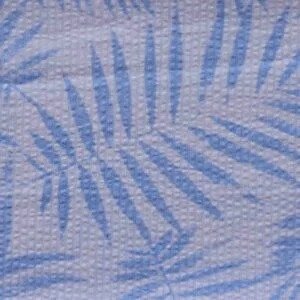
Seersucker fabric is not flat like most woven materials. It has a natural puckered texture created during the weaving process. Some yarns are held under higher tension while others are relaxed. This difference creates that signature uneven surface.
Because of this structure:
- The fabric does not stick to the skin
- Air moves more freely
- The garment feels lighter when worn
- Wrinkles are less noticeable
If you want to understand how weaving plays a role in fabric behavior, you can explore our article on woven fabrics, which breaks down how different structures affect performance.
Why Seersucker Fabric Is Ideal for Summer Clothing
Seersucker is designed for comfort in heat. That’s really the core reason brands continue to use it. In hot and humid conditions, flat fabrics tend to cling to the skin. Seersucker avoids that by design.
Here’s why apparel brands prefer seersucker fabric:
- Better airflow: the puckered surface allows ventilation.
- Lightweight feel: most constructions are made to be breathable and easy to wear.
- Low maintenance: the texture hides wrinkles, so garments look presentable without much ironing.
- Comfort in humidity: reduced surface contact helps manage sweat.
- Versatility: works well for casual shirts, resort wear, and summer collections.
You’ll commonly see seersucker used in:
- shirts
- dresses
- shorts
- relaxed tailoring
Where Seersucker Fits in Shirt Manufacturing
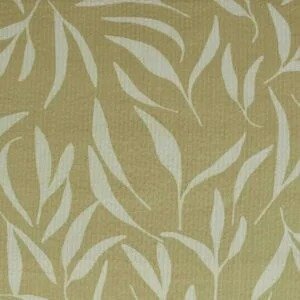
Seersucker is often used in casual shirts and summer shirts where comfort matters more than structure. Compared to flat shirting fabrics like poplin, it feels more relaxed. Compared to structured weaves, it is easier to maintain. If you are exploring fabrics specifically for shirts, our guide on cotton fabric for shirts gives a broader view of how different cotton fabrics are used in shirt manufacturing.
Why Sampling Is Critical for Seersucker Fabric
Seersucker is not a fabric where you can rely only on specifications.
Since the texture depends on weaving tension, even small variations can change the final look. This is why sampling becomes important.
Buyers typically check:
- uniformity of puckering
- GSM and weight
- shrinkage
- overall feel
Without proper sampling, bulk production may not match expectations.
We have covered this in detail in our article on woven sample, especially how sampling reduces production risks.
Dyeing and Finishing Challenges
Seersucker fabric can be slightly tricky when it comes to dyeing. Because the surface is uneven, dye absorption must be carefully controlled.
Some common concerns include:
- uneven dye penetration
- shade variation between puckered and flat areas
- maintaining texture after finishing
This is why selecting the right dye based on fiber composition is important.
You can read more about this in our article on criteria for selecting dyes by fibre content.
Production Planning and Consistency
Producing seersucker fabric consistently requires control at multiple stages. If planning is not done properly, issues can show up in bulk production.
Common problems include:
- inconsistent texture across batches
- variation in width
- shrinkage differences
- finishing inconsistencies
This is where structured production planning becomes important.
Our article on master production scheduling in the apparel industry explains how planning helps maintain consistency across production.
<iframe width=”560″ height=”315″ Fabric Care Guide : Seersucker | How to care for Seersucker title=”YouTube video player” frameborder=”0″ allow=”accelerometer; autoplay; clipboard-write; encrypted-media; gyroscope; picture-in-picture; web-share” referrerpolicy=”strict-origin-when-cross-origin” allowfullscreen></iframe>
Why Apparel Brands Choose Reliable Exporters
When sourcing seersucker fabric, brands are not just buying fabric. They are buying consistency. Since the fabric depends heavily on weaving and finishing, working with the right supplier makes a big difference.
Brands usually look for exporters who can:
- match samples accurately
- maintain consistency in bulk
- control dyeing and finishing
- deliver on time
At Dinesh Exports, the focus is on controlling each stage of fabric development so that what is approved during sampling is what gets delivered in production.
Checkout useful links to products:
- seersucker fabric for shirts
- cotton all over print seersucker fabric
- lightweight seersucker fabric
- seersucker fabric for summer wear
Final Thoughts
Seersucker fabric continues to stay relevant because it solves a real problem. It keeps garments breathable, easy to maintain, and comfortable in warm conditions. For apparel brands, especially those targeting summer collections, it remains a reliable choice. When sourced from experienced manufacturers, seersucker fabric delivers both comfort and consistency, which is what most buyers are looking for. If you are looking for a reliable woven fabric manufacturer to source seersucker fabrics, please contact us.
Frequently Asked Questions
What is seersucker fabric used for?
Seersucker fabric is mainly used for summer garments like shirts, dresses, and lightweight clothing because of its breathable structure.
Why is seersucker fabric good for hot weather?
Its puckered texture reduces skin contact and improves airflow, making it more comfortable in heat.
Is seersucker fabric made from cotton?
Most seersucker fabrics are made from cotton, although blends are also available.
Does seersucker fabric shrink?
Like most cotton fabrics, it can shrink slightly if not pre-treated during finishing.
Is seersucker fabric formal or casual?
It is mostly used in casual and semi-formal garments, especially for summer wear.