TL;DR
Hemp fabric is strong, breathable, and naturally sustainable, but it doesn’t feel like cotton at first. Over time, it softens and becomes more comfortable, which is why many buyers are starting to take it seriously.
It Doesn’t Feel Like Cotton… and That’s Hemp Fabric
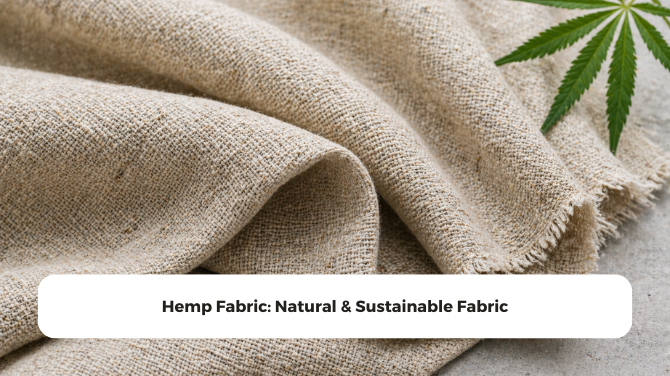
The first time you handle hemp fabric, it feels a bit unfamiliar. It’s not as soft as cotton right away, and there’s a slightly dry, structured feel to it. If you’re expecting something smooth and fluid like what you’d get from a fabric made with a satin weave, hemp can feel a little unexpected. But that first impression doesn’t tell the whole story. What makes hemp interesting is how it changes with use.
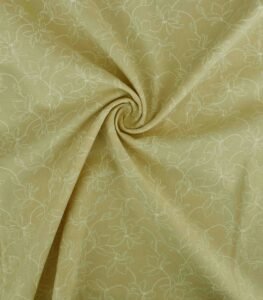
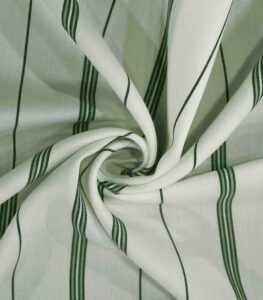
Check out our Digital swatch here
What Hemp Fabric Actually Is
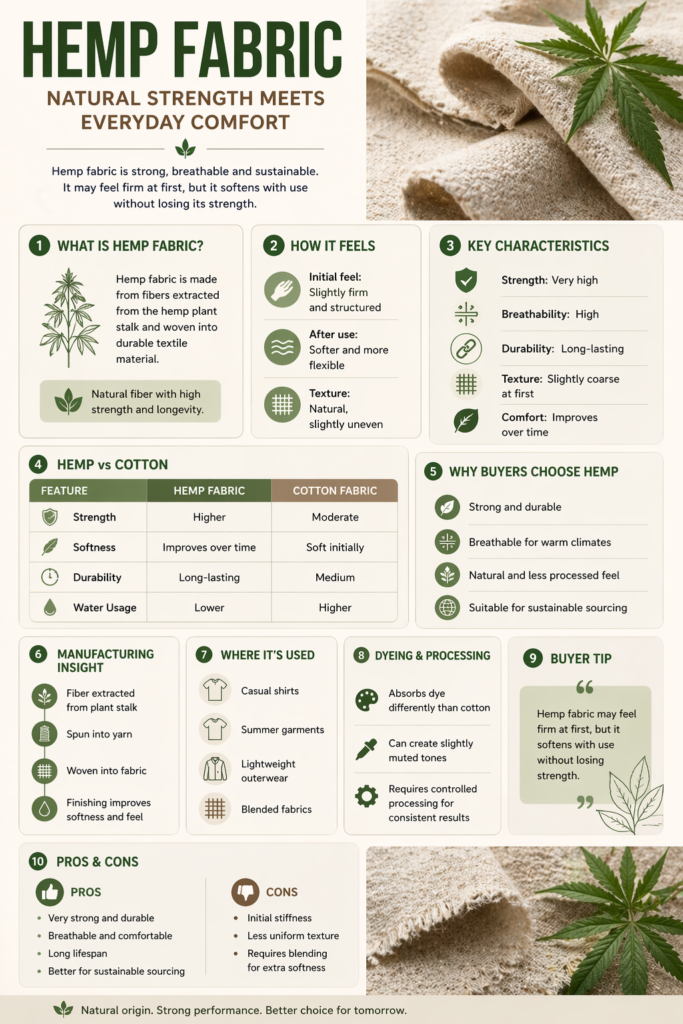
Hemp fabric is made from fibers extracted from the stalk of the hemp plant. These fibers are naturally strong and longer than many other natural fibers. Once processed, they are spun into yarn and then woven into fabric, similar to what you see in most woven fabrics. While the process itself is familiar, the fiber behaves differently, and that difference shows up clearly in the final fabric.
The Texture Is Not a Defect
One of the first things people notice about hemp fabric is that it doesn’t look perfectly uniform. There’s a subtle irregularity in the surface, and for someone used to smooth fabrics, it can feel like something is off. In reality, that texture comes from the natural characteristics of the fiber. If you’ve worked with materials like cotton slub fabric, you’ll recognize a similar idea where variation is part of the appeal. Hemp just feels a bit more raw and natural in comparison.
Why It Gets Better With Use
Why It Gets Better With Use Hemp changes over time, unlike many other fabrics that feel the same. At first, it can feel a little stiff, but after washing and using it regularly, it gets softer. This change doesn’t happen right away, which is why some people don’t notice it right away. But after a few cycles, the difference is very clear. The fabric becomes more flexible and comfortable without losing its shape.
Strength Is Where It Stands Out
Hemp fabric is known for its strength, which is what sets it apart. The fiber itself is strong, which means that the fabric can be used over and over again without wearing out quickly. It holds its shape well and doesn’t break down as easily over time. Hemp fabric often lasts longer than cotton woven fabric under the same conditions, especially in situations where durability is important.
Breathability Feels Different Too
Hemp is breathable, but the way it feels is slightly different from lighter cotton fabrics. It allows air to pass through easily, but it also has a more open and natural structure. This makes it comfortable in warm conditions, especially for garments meant for extended wear. It doesn’t trap moisture as much, which adds to its usability in practical situations.
The Sustainability Side, Without Overstating It
Hemp is often described as a sustainable fiber, and there’s truth to that. It generally requires less water to grow and doesn’t depend heavily on chemical inputs. It also grows relatively quickly compared to other natural fibers. However, the final impact still depends on how the fiber is processed and handled across the supply chain. So while the raw material has advantages, the overall sustainability comes from the full process, not just the plant.
Blends Make It More Practical
Pure hemp fabric is not always the easiest to work with, especially if softness is a priority. That’s why blends are commonly used. Cotton-hemp blends, for example, combine the softness of cotton with the durability of hemp. Blending with fibers like Tencel or modal can further improve drape and comfort. Because of this, the experience of hemp fabric can vary quite a bit depending on how it’s constructed.
Dyeing Needs More Control
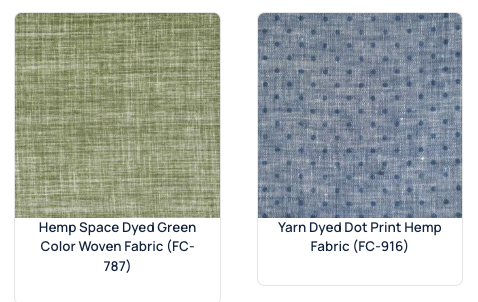
Dyeing hemp fabric is slightly more complex compared to cotton. The fiber absorbs dye differently, which can lead to subtle variations in shade. Sometimes the colors appear more muted or natural, which can actually enhance the overall look. But achieving consistency still requires careful control. As discussed in criteria for selecting dyes by fibre content, both fiber type and structure influence how dye behaves.
Sampling Tells You the Real Story
With hemp fabric, specifications alone don’t tell you everything. You can look at GSM, composition, and construction, but the real understanding comes from handling the fabric. Sampling helps you see how it feels, how the texture shows up, and how it changes after washing. This is something we’ve also seen during woven sample development, where the actual performance becomes clear only after testing.
Where Hemp Fabric Works Best
Hemp is not meant for every type of garment. It works best in categories where a natural and slightly textured look is acceptable. Casualwear, summer shirts, and lightweight outerwear are common applications. It’s less suitable for highly structured or formal garments where uniformity and smoothness are expected.
Our Story
Working with materials like hemp requires more control than standard fabrics. Small variations in processing can affect the final result, especially when consistency is important across larger orders. This is where experience in handling different fabric types becomes useful.
Dinesh Exports has been working with woven fabrics for over three decades, supplying both standard constructions and more specialized materials, including textured fabrics and sustainable blends. Our focus is usually on maintaining consistency from sampling to bulk production, which becomes especially important when working with fibers like hemp.
We also work with certified materials and processes, aligning with the requirements of international buyers. For anyone exploring newer fabric options, having that level of process control can make a noticeable difference. If you have any requirements for hemp fabric, please contact us.
Final Thoughts
Hemp fabric doesn’t try to feel perfect from the start. It’s slightly structured, a bit textured, and not as smooth as what most people are used to. But over time, it softens and becomes more comfortable while still holding its strength. It’s not the right choice for every application, but in the right context, it performs really well. And once you get used to how it behaves, it starts to feel less unusual and more intentional.
Frequently Asked Questions
What is hemp fabric?
Hemp fabric is made from fibers extracted from the hemp plant and woven into textile material.
Is hemp fabric soft?
It may feel slightly firm at first but becomes softer with use and washing.
Is hemp stronger than cotton?
Yes, hemp fibers are generally stronger and more durable than cotton.
Is hemp breathable?
Yes, hemp fabric allows good airflow and is comfortable in warm conditions.
Where is hemp fabric used?
It is commonly used in casualwear, shirts, and lightweight garments.