TL;DR
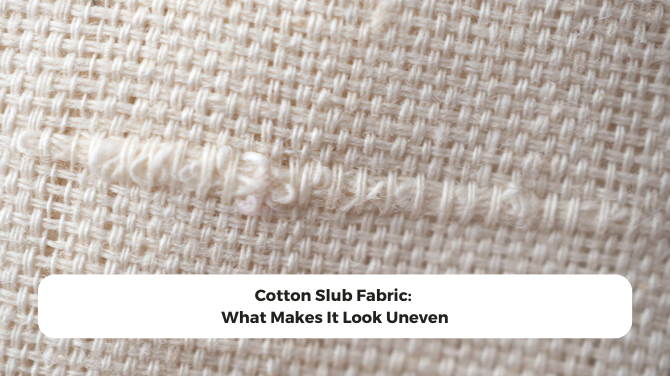
Cotton slub fabric is made using yarn that has natural thickness variations. These irregularities create a slightly uneven texture that gives the fabric a more relaxed and natural look. It may seem imperfect, but that’s exactly what makes it appealing.
It Looks Like a Flaw… But It’s Not
The first time you see cotton slub fabric, it can feel a bit off. The surface isn’t perfectly smooth. There are slight thick and thin areas. Almost like something went wrong during production. But nothing went wrong. That uneven texture is intentional. And once you understand why it’s there, the fabric starts to make more sense.
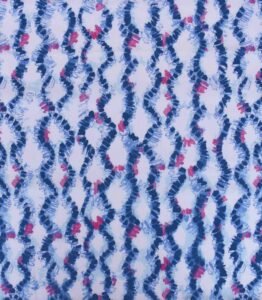
Check out our digital fabric swatch here
What Is Cotton Slub Fabric?
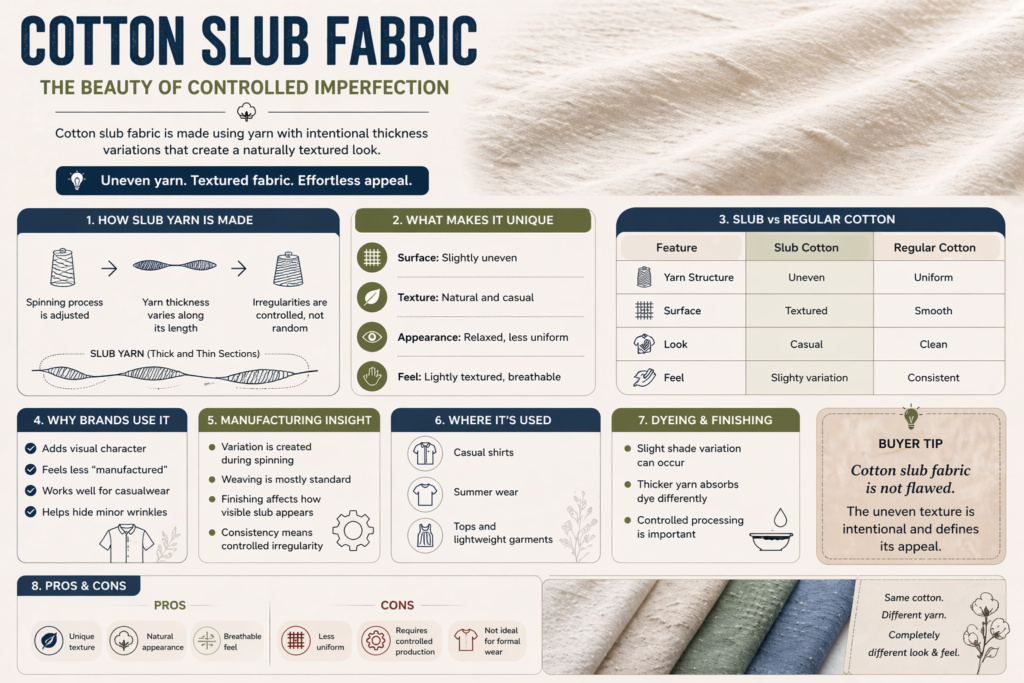
Cotton slub fabric is made using slub yarn, which is a type of yarn where thickness varies along its length. Instead of being perfectly even, the yarn has small irregular sections. When this yarn is woven, those variations show up on the fabric surface. That’s what creates the textured look. If you’ve already explored how structure affects fabric in woven fabrics, this is a slightly different angle. Here, the variation comes from the yarn, not just the weave.
Where That Texture Comes From
Slub yarn wasn’t always intentional. Earlier, these irregularities were considered defects during spinning. Uneven yarn meant lower quality. But over time, things changed. Manufacturers realized that these variations actually gave fabric character. It looked more natural. Less uniform. Slightly more relaxed. So instead of removing those variations, they started controlling them. Now, slub yarn is created deliberately.
Small Changes in Yarn Make a Big Difference
This is where it gets interesting. Not all slub yarns are the same. Some have very subtle variations. You almost don’t notice them unless you look closely. Others are more pronounced, with visible thick sections that stand out. That difference depends on how the yarn is spun. Even a small adjustment in the slub frequency or thickness can change how the final fabric looks and feels.
How Cotton Slub Fabric Is Made
The process of making cotton slub fabric begins with spinning. Instead of making a completely uniform yarn, the spinning machine is set up to make controlled irregularities. These can be random or patterned, depending on what is needed. The weaving process is pretty standard once the yarn is ready. Plain weave is often used, but other structures can also be used.
It Feels Different Too
The texture is not just visual. You can feel it. Cotton slub fabric tends to have a slightly uneven hand feel. Not rough exactly, but not completely smooth either. It gives a more casual and breathable feel, which is why it’s often used in relaxed garments. Compared to smoother constructions like satin weave, the difference is quite noticeable.
Why Brands Actually Prefer It
There’s a reason slub fabrics show up so often in casual wear. They don’t look overly processed. That slightly irregular surface gives a more natural, lived-in appearance. It feels less “manufactured,” if that makes sense. And in some cases, it even helps hide minor wrinkles or wear. So visually, it works well for garments that are meant to feel easy and relaxed.
It’s Not Just About the Weave
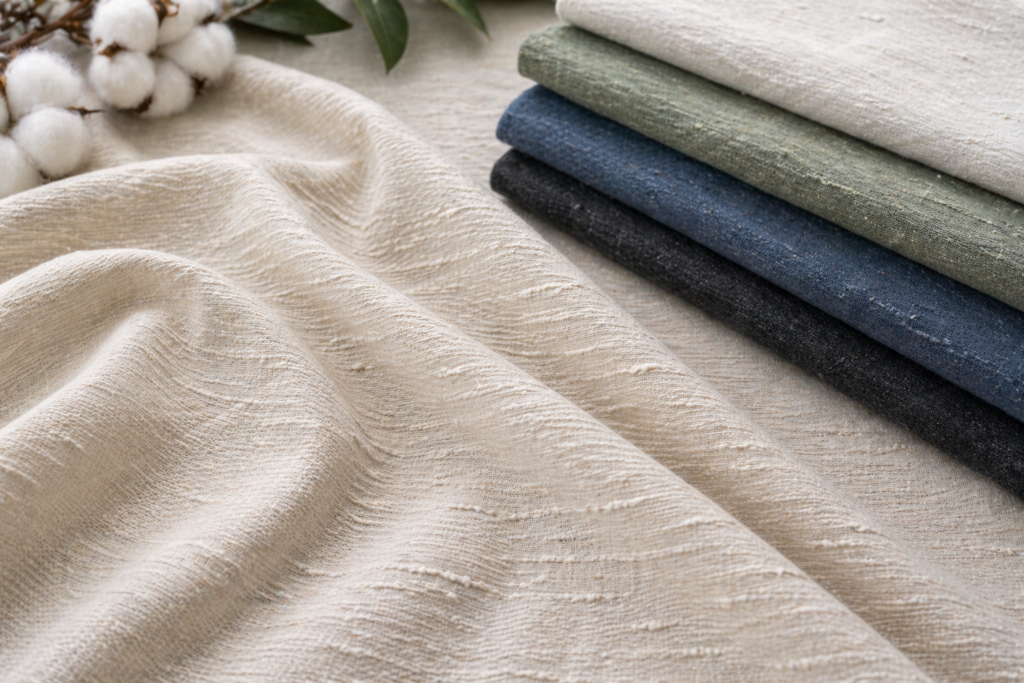
This is something buyers sometimes miss. Cotton slub fabric is not defined by weave alone.
You can have plain weave slub, or even variations combined with other constructions. The key factor is the yarn. This is similar to how variations show up in fabrics like cotton woven fabric, where yarn choice changes the outcome even within the same structure.
Dyeing Can Be Slightly Tricky
Because of the uneven yarn thickness, dye absorption can vary slightly. Thicker parts may take up dye differently than thinner sections. This doesn’t usually cause major issues, but it can create a slightly varied shade effect. In fact, sometimes that variation adds to the overall look. But it still needs to be controlled. We’ve seen similar challenges discussed in criteria for selecting dyes by fibre content, where fiber and structure both influence dye behavior.
Sampling Is Where You See the Real Effect
On paper, cotton slub fabric sounds straightforward. But the actual sample tells a different story. That’s where you see how visible the slub is, how it feels, and how consistent it looks across the fabric. Sometimes the variation is subtle. Sometimes it’s more prominent than expected. We’ve seen this kind of variation show up during woven sample evaluations, where small details become clear only after development.
Export Orders and Consistency
This is where things can get tricky. Because slub yarn is intentionally irregular, maintaining consistency becomes more challenging. Not in terms of defects, but in terms of controlled variation. Buyers don’t want random inconsistency. They want consistent irregularity. That sounds contradictory, but it’s true. And this is where process control becomes important, especially in sourcing situations like why buyers struggle with Indian woven fabric exporters, where maintaining uniformity across bulk production matters.
A Small Observation From Experience
Cotton slub fabric is one of those materials that people either like immediately or take time to understand. At first, it looks uneven. Then you realize that’s exactly what gives it character. And once you see that, perfectly smooth fabrics can start to feel a bit too uniform.
Where Cotton Slub Fabric Works Best
You’ll mostly see it in casual apparel. Shirts, tops, summer wear, lightweight garments. Anywhere a relaxed look is preferred over a polished one. It’s not usually chosen for formal or structured garments, where uniformity matters more.
Final Thoughts
Cotton slub fabric is not about perfection. It’s about controlled imperfection. The uneven yarn, the slight variation in texture, all of it is intentional. Once you understand that, the fabric becomes easier to work with. And honestly, a bit more interesting.
Looking for a Reliable Fabric Source?
If you’re sourcing fabrics regularly, you’ve probably already realized that finding the right supplier is less about price and more about consistency. Dinesh Exports works with both domestic and international garment manufacturers, supplying a wide range of woven fabrics from basic constructions to more developed textures and finishes. With a background of over 30 years in woven fabric manufacturing and a structured production setup, the focus is usually on maintaining quality across sampling and bulk, which is where most sourcing challenges tend to show up. Enquire with us here.
Frequently Asked Questions
What is cotton slub fabric?
It is a fabric made using slub yarn, which has intentional thickness variations that create a textured surface.
Is slub fabric good quality?
Yes, the irregular texture is intentional and controlled, not a defect.
Why does slub fabric look uneven?
Because the yarn used has varying thickness, which shows on the fabric surface.
Is cotton slub fabric soft?
It can be soft, but it usually has a slightly textured feel compared to smooth fabrics.
Where is cotton slub fabric used?
It is commonly used in casual apparel like shirts, tops, and summer garments.