TLDR
You do not need to be an engineer to work in fashion. But if you deal with fabrics, sourcing, or production, you should understand basic textile machinery. Knowing how fabric is actually made helps you avoid quality issues, delays, and costly mistakes.
Check out our fabric swatch here
Why fashion professionals should care about textile machinery
A lot of people working in fashion never step into a mill. They see swatches, prices, lead times, and shipments. That’s it.
But behind every roll of fabric, there are machines running day and night. When something goes wrong at that stage, it shows up later as:
- Shade variation
- Uneven fabric
- Delays in delivery
- Unexpected price changes
Understanding the basics helps you ask better questions and spot problems early.
Fiber preparation machinery
Before weaving or knitting even starts, fiber preparation happens.
Blow room machines
These open and clean raw fibers like cotton. Dust, trash, and impurities are removed here. Poor blow room work leads to yarn faults later.
Carding machines
Carding aligns fibers and removes remaining impurities. It directly affects yarn evenness. If carding is bad, no later machine can fix it.
Why this matters to you: uneven yarn usually means fabric with visible streaks.
Spinning machinery
Spinning turns fiber into yarn. This is where strength and consistency are decided.
Ring spinning machines
Still widely used for cotton and blends. Produces strong, smooth yarns.
Open-end spinning
Faster and cheaper, but yarn is bulkier. Common for casual fabrics and basics.
If a mill switches spinning method, fabric hand feel will change. Even if they say it will not.
Warping and sizing machines
These machines prepare yarn for weaving.
Warping machines
They align thousands of yarns parallel on a beam. One mistake here can cause weaving stops.
Sizing machines
Apply starch or sizing material to strengthen yarns before weaving. Over-sizing makes fabric stiff. Under-sizing causes yarn breaks.
This stage directly affects loom efficiency and fabric appearance.
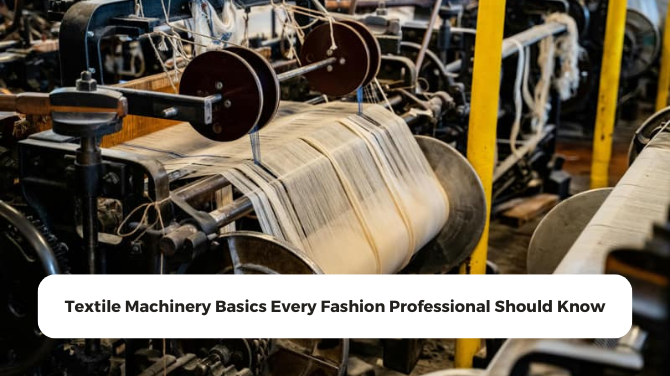
Weaving machinery
This is where woven fabric is formed. Different looms create different fabric characteristics.
Shuttle looms
Old technology. Slower. Still used for certain traditional fabrics.
Rapier looms
Very common today. Flexible and good for many fabric types.
Air jet looms
Fast and efficient. Used for large volume fabrics like shirtings and sheets.
Water jet looms
Used mainly for synthetic fabrics. Not suitable for cotton.
Loom type impacts fabric width, edge quality, and cost. Merchandisers should always know which loom is used.
Knitting machinery (brief but important)
Even if you work mainly with woven fabrics, you will deal with knit at some point.
Circular knitting machines
Used for t-shirts, jerseys, rib fabrics.
Flat knitting machines
Used for sweaters and structured knits.
Knit machinery affects stretch, recovery, and pilling behavior.
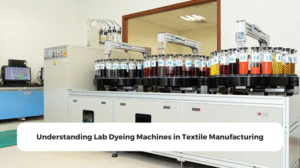
Dyeing machinery
Color is where most disputes happen. Machinery plays a big role here.
Jet dyeing machines
Fabric moves with liquor. Good for lightweight fabrics.
Soft flow dyeing
Gentler on fabric. Better for delicate constructions.
Package dyeing
Used for yarn dyeing. Common for stripes and checks.
Different machines give different color results even with same dye recipe.
Finishing machinery
Finishing decides final hand feel and performance.
Stenters
Used for width setting, drying, and heat setting. Poor stenter control causes skew and width variation.
Calendaring machines
Add smoothness or shine by pressing fabric between rollers.
Compactors
Used to control shrinkage. Especially important for shirting fabrics.
If finishing is rushed, fabric may look fine initially but fail after wash.
Inspection and quality control machines
Good mills invest here.
Fabric inspection machines
Help detect weaving and dyeing faults.
Metal detectors
Mandatory for export garments.
Machines do not replace people, but they reduce risk.
Why this knowledge helps merchandisers and sourcing teams
When you understand machinery:
- You can explain delays better
- You can judge feasibility of buyer requests
- You can avoid unrealistic timelines
- You gain credibility with mills
It also helps during audits and factory visits. You know what to look for.
Common mistake fashion professionals make
Assuming fabric is just fabric.
Two mills can make the same construction on paper, but machinery difference changes everything. Cost, feel, consistency, even sustainability impact.
Ignoring machinery leads to surprises later. And those surprises are expensive.
Final thoughts from a fabric manufacturer
Textile machinery may sound technical, but you do not need deep knowledge. Just enough to understand how decisions are made inside a mill. For fashion professionals, this knowledge is not optional anymore. Buyers expect better questions. Mills respect informed conversations. Fabric quality starts with machines. Always has. If you are looking for a reliable woven fabric manufacturer, please contact us.