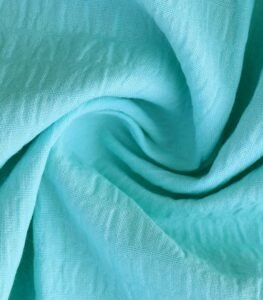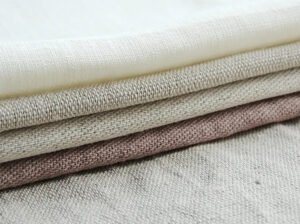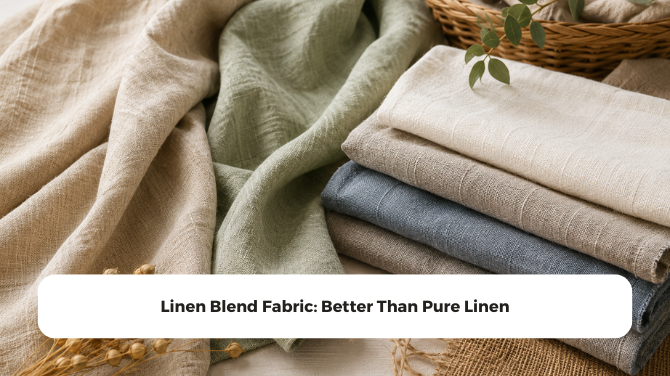
Linen is immediately recognizeable because of its texture. With its slightly uneven surface that gives out an airy feel and the relaxed look many fabrics try to copy through the finishing process. But we can be sure that none of the fabrics were able to reach the finishing of linen fabrics yet. It also comes with a lot of manufacturing complications. This is one of the reason why linen blend fabrics have become so common today across the textile industry. Woven fabric manufacturers started blending linen with other finers to improve its features like softness, reduce wrinkling, and make the fabric more practical for daily use.
This trends continues today as buyers are preferring linen blend fabrics more, out of features and affordability.
Check out our digital swatch here
What Is Linen Blend Fabric?
Linen blend fabric is made by processing together linen fiber with another fiber during the yarn production or weaving. Based on the use case of these fabrics, linen can be blended with cotton, viscose, rayon, polyester, or any newer fibers like Tencel.
The reason why we say it is that the blend will give linen features that it was lacking. We know linen has strength and breathability. But at the same time, it will crease easily and become dry. So blending it will completely improve the linen fabrics, but without removing the linen’s original character.
While some blends make the fabric softer immediately, others make it durable. This is the reason why two fabrics can behave completely differently even when they look similar at first.
Why Manufacturers Use Linen Blend Fabrics Instead of Pure Linen
Due to shrinkage variations and wrinkling, linen makes it difficult for manufacturers to work with it and get the desired result without going through extreme difficulty. In some cases like creating lightweight constructions, it can also lose stability more easily if the yarn is not consistent.
This is what the linen blend materials are solving now.
For example, a linen cotton blend fabric can soften the surface of the fabric while keeping the breathability. Another example is linen and viscose blend fabrics, it can improve the overall flow and drape of the fabric. And blending polyester will improve the wrinkle recovery and shape retention of pure linen fabric.
So we can say that the blend is decided based on what the final fabric needs to achieve.
4 Common Types of Linen Blend Fabric
1. Linen Cotton Blend Fabric
Probably the most used linen blends out there. Cotton is blended with linen in order to achieve softness and make the product easy to maintain, unlike pure linen fabrics. This will give a breathable and natural looking fabric that is not too stiff. In the textile industry, cotton linen blend fabrics are used widely in making shirts, dresses, lightweight trousers, and resort wear items that require a blend of both comfort and structure.
2. Linen Viscose Blend Fabric
Linen gets more fluid by blending it with viscose. It is highly used in womenswear and drapey garments. This blend still keeps the linen look, easily noticeable, but the movement will be much different.
3. Linen Polyester Blend Fabric
This type of blend where polyester is mixed with linen, the fabric becomes wrinkle free and keep its dimension stable even after multiple washing. This is the reason why people go for this blended fabric. Even though it is not common in garments, it is highly common in commercial textiles like bedding and curtians.
4. Linen Tencel™ Blend Fabric
Tencel and linen blend fabric is a sustainable blend fabric that is becoming popular nowadays. Tencel add the softness and moisture it needs to maintain a natural hand feel.
How Linen Blend Fabric Is Manufactured
Blending any fabric requires that it is done at the yarn stage. During the spinning stage or yarn development stage, linen and other required fibers are blended togather. The yarn is then used for weaving fabrics in various structures.
This is where things start getting interesting. Plain weave linen blend woven fabric still feel crisp and structured. We discussed this topic in our recent article on plain weave fabric, where the structure of a fabric changes how the final fabric behaves.
The Blend Ratio Changes the Entire Fabric
There is no ideal number when it comes to the ratio required for blending other fibers with linen to get the desired results. Two fabrics with the same linen blend fabrics can feel completely different if the blend ratio is different. For example, a fabric with 20% linen behaves differently from a fabric one from 60% linen.
The blend ratio is set up based on the client’s requirements in order to cater to the right drape, wrinkle behaviour, texture, softness, dye absorption, and other required features.
Linen Blend Fabric in Sustainable Textile Manufacturing
The natural resource used for linen manufacturing, called flax, is already a natural and sustainable material. It also uses less water than cotton and a lot less chemicals in growing and finishing it.
But lets say that its not sufficient enough to call it sustainable. It also involves how the fabric is dyed, finished, and the secondary fibers used in linen blend fabrics.
This is the reason why certifications and sourcing transparency are becoming more important in fabric manufacturing, especially in the export market.
We discussed similar ideas in our recent article on sustainable fabrics, where we discussed how sustainability depends on manufacturing processes just as much as raw materials.
Sampling Usually Reveals the Real Fabric Behavior
We have already talked about the importance of having samples developed before going full production. Technical sheets can only tell a story up to a limit. Only when the fabric is washes, finished, and sewn into a fabric or the final product, brands can actually know how it will perform.
The sampling process usually reveals much more than the specification sheet does.
Working With Linen Fabric Manufacturers
Dinesh Exports has been manufacturing linen blend fabrics for more than three decades for both local international clients.
We look at the yarn quality, blend ratio, weaving structure, and the finishing process at a granular level to achieve the desired results our clients require. Working with us is not as similar to working with other linen fabric manufacturers.
If you like to know more about how manufacturing, product development, and finishing process, feel free to contact us.
Final Thoughts
Linen blend fabric sits right between natural texture and practical performance. It allows the fabric to keep the breathability and texture of linen while reducing its less desirable chracters. Blend ratio controls how the final fabric behaves, so its important to oversee how the yarn is developed for the weaving. Finally, choosing a linen blend fabric manufacturer that cares for the desired outcome as much as the client will make sure that your order is not messed up.
Frequently Asked Questions
What is linen blend fabric?
Linen blend fabric is a type of fabric that is made by weaving together linen and other fibers like cotton, tencel, rayon, viscose, etc.
Is linen blend fabric better than pure linen?
It depends on the application. Linen blends usually feel softer, wrinkle less, and are easier to maintain compared to pure linen.
What is the best for clothing?
A linen cotton blend fabric is commonly preferred for breathable everyday clothing, while linen viscose blends are popular for softer drape.
Are they sustainable?
Some sustainable linen blend fabrics are considered eco-friendly, especially when responsibly sourced fibers and certified processes are used.
Does linen blend fabric wrinkle easily?
Yes, but usually less than pure linen depending on the blend ratio and fabric construction.