TLDR
Lab dyeing machines are used to test and approve fabric colors before bulk dyeing starts. They save time, reduce rejections, and help mills control shade accuracy. If lab dyeing is not done properly, bulk dyeing almost always faces issues.
Check out our digital swatch card here
What exactly is lab dyeing in textiles?
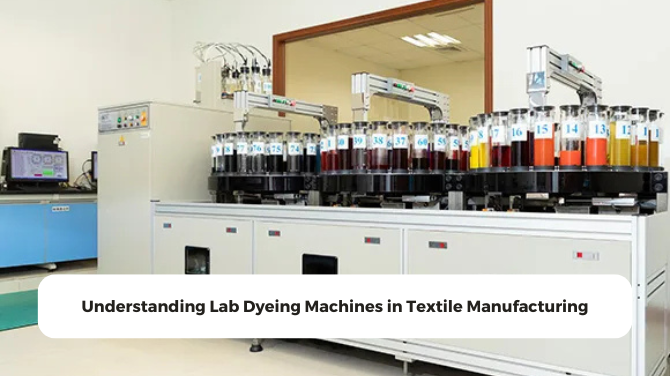
Lab dyeing is the process of dyeing small fabric or yarn samples in a laboratory setup before full-scale production. The goal is simple. Match the buyer’s required shade as closely as possible and lock the recipe. A lab dyeing machine allows controlled dyeing conditions like temperature, time, liquor ratio, and chemical dosage. These conditions are later followed in bulk dyeing machines.
In most textile mills, lab dyeing is where the real work starts. Production just follows what the lab decides.
Why lab dyeing machines are so critical in fabric production
Color is emotional. Buyers react fast when shades are off. Even a slight difference can lead to rejection.
Lab dyeing machines help because:
- Buyers approve lab dips before bulk
- Dye recipes are tested safely
- Shade corrections happen early
- Costly bulk mistakes are avoided
Many mills underestimate the lab. They invest heavily in bulk machines but ignore lab upgrades. That usually shows up later as shade complaints.
Types of lab dyeing machines used in textile labs
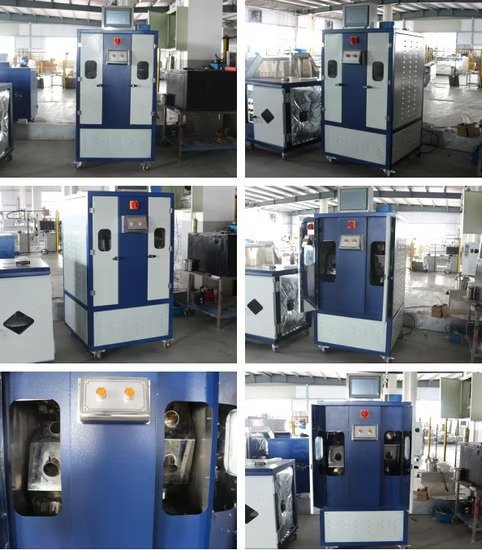
Different fabrics and dye classes need different lab machines. There is no single machine for everything.
Infrared (IR) lab dyeing machines
These are the most widely used today.
They use infrared heating to raise temperature evenly. This closely matches bulk dyeing conditions.
Used for:
- Cotton fabrics
- Polyester fabrics
- Cotton polyester blends
Why mills prefer them:
- Accurate temperature control
- Faster heating cycles
- Good repeatability
If a mill is doing export fabrics, an IR lab machine is almost always present.
Lab beaker dyeing machines
These machines use small beakers made of glass or stainless steel.
Mostly used for:
- Yarn dyeing trials
- Initial shade experiments
- Small development programs
They are simpler and cheaper but need skilled handling. Results can vary if the operator is careless.
Lab jet dyeing machines
Mini versions of production jet machines.
Used mainly for:
- Knitted fabrics
- Lightweight woven fabrics
They simulate fabric movement better than static machines. This gives closer results to bulk jet dyeing, but machines are expensive and take more space.
How lab dyeing machines help in shade matching
Shade matching is not just about color depth. It also includes tone, brightness, and undertone.
Lab dyeing machines help by:
- Controlling dye absorption
- Testing different dye combinations
- Checking repeatability
- Simulating production conditions
Once the right shade is achieved, the recipe is documented. This recipe becomes the base for bulk dyeing.
Role of lab dyeing in lab dip approval process
Lab dips are physical dyed samples sent to buyers for approval.
The process usually goes like this:
- Buyer shares shade reference
- Lab prepares first dip
- Buyer reviews and comments
- Corrections are done if needed
- Final dip is approved
- Bulk dyeing starts
If lab dyeing machines are inconsistent, this cycle becomes long and frustrating. Buyers lose confidence very fast.
Common problems seen in lab dyeing operations
Even with good machines, issues happen.
Some common problems include:
- Lab water quality different from production
- Fabric sample not matching bulk fabric lot
- Wrong liquor ratio
- Operator inconsistency
- Rushed lab dips due to timelines
Most lab failures are process-related, not machine-related.
Lab dyeing vs bulk dyeing differences
This is where many misunderstandings happen.
Lab dyeing:
- Small quantities
- Controlled environment
- Focus on accuracy
Bulk dyeing:
- Large quantities
- Production pressure
- Cost and speed matter
Scaling up from lab to bulk is a skill. Mills with experienced dye masters handle this better.
Importance of lab dyeing for sustainable dyeing
Lab dyeing machines support sustainability in many ways.
They:
- Reduce chemical wastage
- Minimize water usage
- Lower trial-and-error in bulk
- Support compliance programs
This is important for certifications like OEKO-TEX and ZDHC.
References:
https://www.oeko-tex.com
https://www.roadmaptozero.com
What merchandisers and sourcing teams should check
If you visit a mill, do not skip the lab.
Check:
- Cleanliness of lab
- Calibration of machines
- Shade checking under multiple lights
- Record keeping of recipes
- Number of trials done before approval
A strong lab usually means smoother production later.
Why lab dyeing machines impact delivery timelines
Poor lab results delay approvals. Delayed approvals push bulk dyeing. That affects weaving, finishing, and shipment.
Many delivery delays start at lab level, not in production.
Final thoughts from a woven fabric manufacturer
Lab dyeing machines are the backbone of textile color management. They do not make fabric, but they decide how fabric will look.
A mill with strong lab control faces fewer rejections, fewer disputes, and better buyer trust. In woven fabric manufacturing, lab dyeing is not a support work. It is core work.
Ignoring it always costs more in the long run. If you are looking for a woven fabric manufacturer with strong lab dyeing process, please contact us.