TL;DR
Different fibres react very differently to dyes. Cotton, polyester, wool, and blends all need specific dye types. Choosing the wrong dye leads to shade issues, poor fastness, and production problems later.
Why dye selection always starts with fibre content
In fabric manufacturing, colour decisions never start with shade cards. They start with fibre content.
Two fabrics can look identical in greige form but behave completely differently once dyeing begins. That usually comes down to what the fibre is made of. Cotton absorbs dye. Polyester resists it. Wool reacts in its own way. And blends make things even more interesting.
From a woven fabric manufacturer’s side, dye selection by fibre content is one of the first technical decisions made before sampling even begins. If this step goes wrong, everything after becomes harder.
That’s why understanding how fibres interact with dyes is important for anyone involved in sourcing or product development.
Cotton and other cellulosic fibres
Cotton, viscose, modal, Tencel, and linen fall under cellulosic fibres. These fibres absorb water easily and bond well with certain dye types.
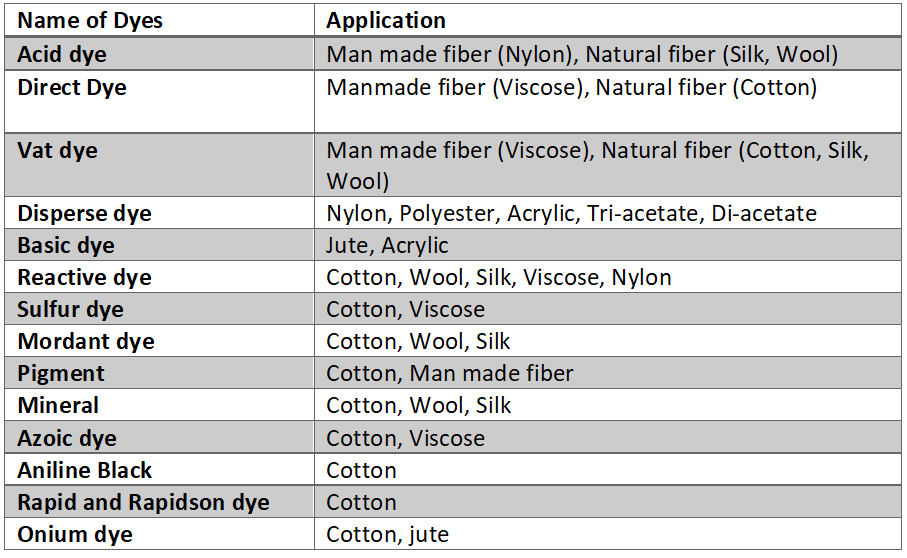
For these fibres, reactive dyes are the most commonly used. They form a chemical bond with the fibre, which gives better wash fastness and brighter shades. This is why most cotton shirting, dresses, and kidswear rely on reactive dyeing.
Direct dyes are also used sometimes, mainly where cost is a concern or where a softer, washed look is acceptable. The trade off is lower colourfastness.
Vat dyes and sulphur dyes are chosen when durability is critical, like workwear or deep dark shades.
If you are sourcing cotton fabrics and wash performance matters, dye choice matters just as much as yarn quality.
Reference:
https://textilelearner.net/dyes-for-cotton-fibre/
Polyester and synthetic fibres
Polyester behaves very differently from cotton. It does not absorb dye easily and needs heat and pressure for colour to enter the fibre.
This is where disperse dyes are used. These dyes work at high temperatures and penetrate the polyester fibre when it opens up during dyeing.
Disperse dyes are essential for:
- 100 percent polyester fabrics
- Performance wear
- Sportswear
- Polyester rich blends
The process is tightly controlled. Small changes in temperature or timing can lead to shade variation. From a manufacturing side, this means polyester dyeing needs precision, not shortcuts.
Reference:
https://www.fibre2fashion.com/industry-article/4731/disperse-dyes-in-polyester
Wool, silk, and protein fibres
Wool and silk are protein fibres. They are sensitive to harsh conditions and react differently to dyes compared to cotton or polyester.
Acid dyes are the most commonly used for these fibres. They offer bright shades and good colour clarity when processed correctly.
pH control is critical here. If not managed well, fibre damage or uneven dyeing can happen. That’s why wool and silk dyeing is usually slower and more controlled.
These fibres are often used in premium garments, so consistency and fabric feel become as important as colour.
Blended fabrics and why they complicate dye selection
Blended fabrics are where dye selection gets tricky.
A cotton polyester blend, for example, cannot be dyed with just one dye type. Cotton needs reactive dyes. Polyester needs disperse dyes. So dyeing is done in two stages.
This is known as union dyeing or two bath dyeing, depending on the process.
From a sourcing point of view, blended fabrics may:
- Cost more to dye
- Take longer to process
- Have limitations on achievable shades
This is not a problem, but it needs to be understood early. Otherwise expectations and reality don’t always match.
Natural fibres and natural dyes
Natural dyes are gaining interest again, especially in sustainability focused programs.
Natural fibres like cotton, linen, and silk accept natural dyes better than synthetics. But shade variation is normal and sometimes unavoidable.
Natural dyeing depends on:
- Fibre absorbency
- Water quality
- Mordants used
- Batch size
From a mill perspective, natural dyes are best suited for small runs and design led collections rather than mass production.
Reference:
https://www.craftmark.org/natural-dyes
How end use affects dye choice
Fibre content is the base, but end use fine tunes the decision.
For example:
- Kidswear needs higher wash fastness
- Workwear needs durability
- Fashion garments may allow softer fading
- Home textiles need light fastness
So dye selection is always a mix of fibre type, performance expectation, and cost target. There is no single correct answer.
Common mistakes buyers make around dye selection
One common mistake is assuming any dye works on any fibre. That usually leads to sampling delays.
Another is focusing only on shade and ignoring fastness. A colour that looks perfect in the lab may fail after garment washing.
Understanding dye selection by fibre content helps buyers ask better questions and avoid surprises later.
Why this matters in real sourcing conversations
When sourcing teams understand how fibre content affects dyeing, discussions with mills become smoother.
Instead of saying “we want this shade”, the conversation shifts to:
- What fibre is used
- What dye system is suitable
- What performance is realistic
This saves time and improves outcomes for both sides.
Final thoughts
Dye selection is never just a colour decision. It is a technical choice rooted in fibre behavior.
Understanding the criteria for selecting dyes by fibre content helps merchandisers, designers, and sourcing teams make better fabric decisions and avoid costly mistakes. If you are looking for a reliable woven fabric manufacturer, please contact us.