TL;DR
Satin weave is a fabric structure known for its smooth surface and soft feel. It uses a specific weaving pattern that reduces visible interlacing, creating a glossy finish. It looks simple, but small changes in yarn, tension, and finishing can completely change how it performs.
It Looks Simple… But It’s Not
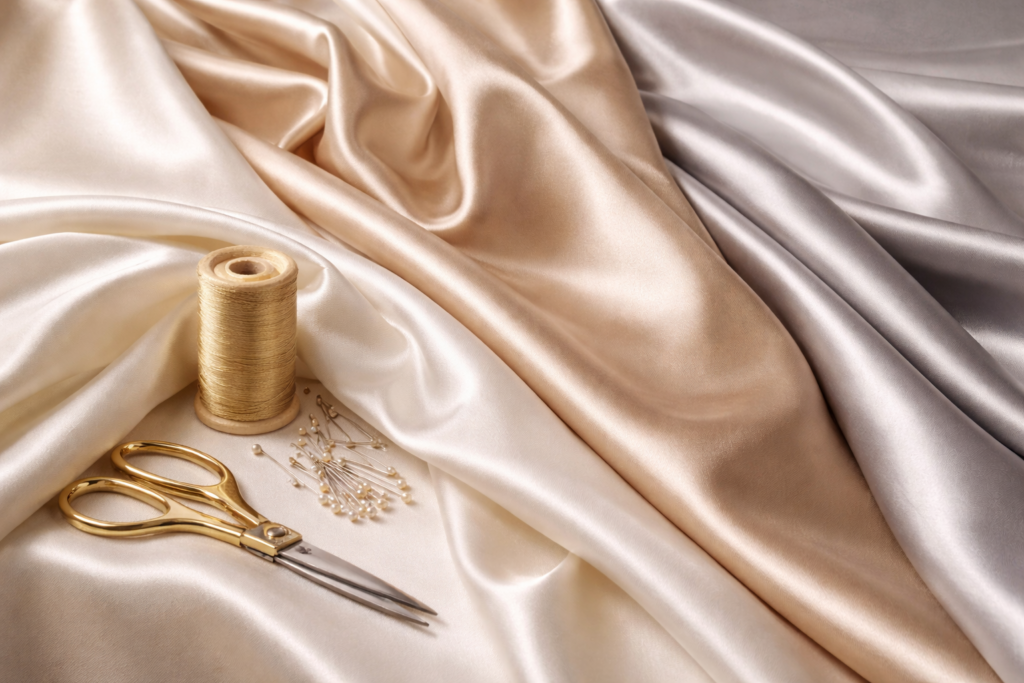
Most people describe satin the same way. Smooth. Soft. Slightly shiny. And that’s true.
But what creates that feel is not the fiber, it’s the weave. That’s where things get interesting.
Because the same fiber, cotton for example, can feel completely different depending on how it’s woven. If you’ve seen variations explained in woven fabrics, you’ll know structure can change everything. Satin weave is one of those structures that looks simple from the outside, but is actually quite specific in how it’s made.
Where Satin Weave Comes From
Satin weave has been around for centuries. Historically, it’s often associated with silk fabrics, especially in regions where silk weaving was prominent. The idea was to create a surface that felt smooth and reflected light evenly. Over time, the same weave structure started being used with other fibers. Cotton, polyester, blends. So today, satin is not a fiber. It’s a method. That’s an important distinction, but one that still confuses a lot of buyers.
What Makes a Satin Weave Different
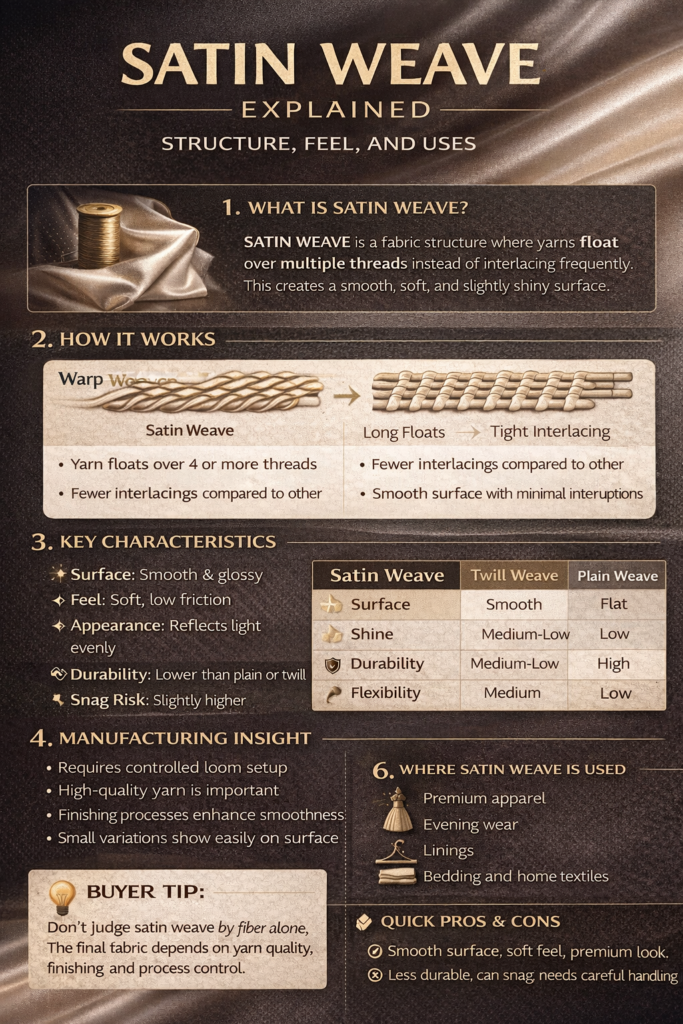
At a basic level, woven fabrics are created by interlacing warp and weft yarns. The difference comes in how often those yarns cross each other. In satin weave, the interlacing is minimized. Instead of crossing frequently like in plain weave, the yarn “floats” over several threads before interlacing again. This creates a smoother surface. Fewer interruptions. More reflection. That’s what gives satin its signature look. But here’s something worth noting. Those longer floats also make the fabric slightly more delicate.
A Slight Shift Changes the Feel Completely
This is something that doesn’t get talked about enough. Small changes in satin weave can make a big difference. If the float length increases, the fabric becomes smoother but also more prone to snagging. If it’s reduced, durability improves but the surface loses some of that clean shine. So it’s always a balance. And that balance depends on what the fabric is meant for.
How Satin Weave Is Manufactured
The process itself follows standard weaving steps, but the setup is more controlled. It starts with yarn preparation, where the quality of yarn matters more than usual. Since the surface is exposed, any inconsistency shows up clearly. Then comes the loom setup. Unlike simpler weaves, satin requires a specific pattern sequence to maintain those longer floats. That means tighter control during weaving.
After weaving, finishing becomes critical. This is where the final feel is defined. Processes like washing, calendaring, or softening treatments can enhance the smoothness or slightly reduce the sheen depending on the requirement. I’ve seen cases where two satin fabrics made from the same yarn looked different just because finishing was handled differently.
Satin vs Other Weaves
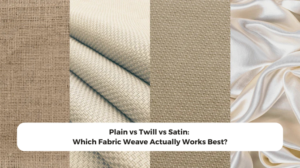
This is where comparisons help. Plain weave is the simplest structure. Yarns interlace frequently, which makes the fabric strong but less smooth. Twill weave sits somewhere in between. It creates a diagonal pattern and offers a balance between durability and flexibility.
Satin weave moves in the opposite direction. Less interlacing. More surface smoothness.
If you compare it to textured constructions like dobby fabrics, the difference becomes even clearer. Dobby focuses on pattern and texture, while satin focuses on surface finish.
Different goals entirely.
Where Satin Weave Works Best
Satin weave is usually chosen for how it feels and looks. You’ll see it used in apparel that needs a smooth finish, evening wear or premium garments, linings where low friction matters, bedding and home textiles. But it’s not always the right choice. Because while it looks refined, it’s not as durable as tighter weaves. So the application matters.
The Fabric Is Only Half the Story
This is something I’ve noticed repeatedly. Buyers often focus on the weave name and assume that defines everything. But in reality, yarn quality, GSM, and finishing play just as big a role. For example, a satin weave made with cotton will behave differently from one made with polyester. Even within cotton, variations like those discussed in cotton slub fabric show how yarn characteristics can change the final feel, even before weaving is considered.
Dyeing and Finishing Need More Attention
Satin weave fabrics tend to show imperfections more easily. Because of the smooth surface, any inconsistency becomes visible. That includes shade variation, streaks, and uneven dye absorption. This doesn’t mean satin is difficult to dye, but it does mean the process needs to be controlled. We’ve seen similar behavior explained in criteria for selecting dyes by fibre content, where fiber and structure both affect dye results. With satin, the surface just makes it more noticeable.
Sampling Is Where Reality Shows Up
This is especially true with satin weave. On paper, everything might look perfect. But once you see the actual sample, small things become clear. How the light reflects, how smooth the surface really is, and how the fabric behaves after handling. Sometimes, even minor handling marks show up more clearly on satin compared to other weaves. That’s why sampling becomes critical. We’ve seen how early-stage evaluation helps in cases like woven sample, and with satin, it’s even more important.
Export Orders and Consistency
Expectations have risen. Buyers now demand a uniform shine, a consistently smooth surface, and impeccable finishing. Even minor discrepancies can be glaring. This is where process control proves its worth. We’ve encountered similar issues in sourcing situations, such as the difficulties buyers face with Indian woven fabric exporters, where consistency is paramount.
Here is a video explaining the 3 fundamental textile weaves: The 3 Fundamental Textile Weaves: Plain, Twill and Satin
A Small Observation From Experience
Satin weave looks premium, but it’s less forgiving. That’s probably the simplest way to put it.
With other fabrics, small inconsistencies might go unnoticed. With satin, they don’t. So it’s not just about choosing satin. It’s about managing it properly.
Final Thoughts
Satin weave is not complicated, but it is specific. It creates a smooth, refined surface by reducing interlacing and allowing yarns to float. That’s what gives it its signature look.
But that same structure also makes it more sensitive. To handling, to dyeing, to finishing.
Once you understand that, working with satin becomes easier. And more predictable. If you are looking for satin weave woven fabrics, please contact us.
Frequently Asked Questions
What is satin weave?
It is a weaving structure where yarns float over multiple threads, creating a smooth surface.
Is satin a fabric or a weave?
Satin is a weave, not a fiber. It can be made from cotton, silk, polyester, or blends.
Is satin weave durable?
It is less durable than plain or twill weaves due to fewer interlacings.
Why is satin shiny?
Because of the smooth surface created by longer yarn floats that reflect light.
Where is satin weave used?
It is used in apparel, linings, bedding, and products where smoothness and appearance matter.