TLDR;
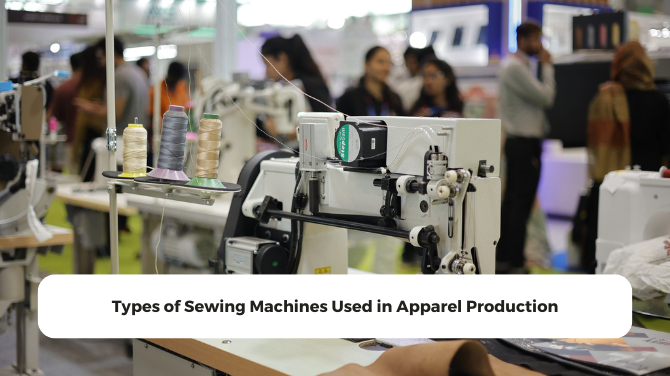
If you work in merchandising, product development, or sourcing, sewing machines are not just factory items. They decide stitch quality, production speed, needle issues, defects, operator skill level, and even your final garment costing. In this guide, we break down the sewing machines types that matter most in apparel manufacturing. No confusing jargon, just a clean walk-through that feels easy to follow.
Everyone working in apparel has bumped into that moment where a supplier asks, “Which machine do you want for this seam”. And half the room goes quiet, pretending they know, but not fully sure. I have seen this many times while working with buyers, merchandisers, and even new factories.
So here’s a simple, slightly casual explanation of the sewing machines you will actually see inside a real production unit.
I am writing this from the perspective of a woven fabric manufacturer who works with many apparel factories. We see these machines daily because they decide how our fabric behaves on the floor.
Let’s break them down.
Check out our Digital Swatch Cards here
1. Lockstitch Machine (The most common one)
This is the machine almost every garment starts with. If someone says “basic stitching”, they usually mean lockstitch.
Where it is used
Shirts, trousers, dresses, kidswear, pockets, plackets, collar joins, and hem.
Why merchandisers should care
- Perfect for woven fabrics
- Clean seam
- Good stitch strength
- Works well for sampling
If you are working on lightweight shirts or cotton fabric, this machine is normally the first choice.
2. Overlock or Serger Machine
People sometimes call it “overlock”, others say “serger”. Same thing really.
What it does
Finishes raw edges so the fabric does not fray.
Where it is used
Side seams, sleeve seams, knitwear joining, and panels.
What you should know
Overlock width can vary, and some factories tune it based on fabric thickness. If you ever wonder why your sample frayed in wash test, maybe the wrong overlock setting was used.
3. Flatlock Machine
If you wear athleisure, leggings, yoga pants, or sports tees, you have seen flatlock seams. They are flat, stretchy, and look neat inside-out.
Uses
- Activewear
- Knit garments
- Underwear
- Seams that need stretch without bulk
Flatlock machines also help reduce seam irritation, so brands doing skin-friendly wear push for this.
Read: Greige Fabric vs RFD/PFD Fabric
4. Button Holing Machine
This one needs no big intro.
It literally does one job. Makes buttonholes. But it does them with consistent size, clean edges, and less human error.
Used for
Shirts, trousers, dresses, blazers, kidswear.
Why it’s important
If buttonholes are bad, your whole garment looks weak. Merchandisers often get wash complaints because of poor buttonhole density or tension.
Read: A Beginners Guide to Woven Fabrics
5. Button Stitch Machine
This machine attaches the actual button. Simple, but extremely important.
Factories now use auto-trimmers to speed up. Some machines also offer cross-stitch or parallel stitch patterns.
Key note
If your buttons fall off often, it’s usually tension or stitching wrong on this machine, not the button itself.
6. Bar-Tack Machine
When you see that thick reinforcement stitch on pockets, belt loops, fly, plackets, bags, that’s bar-tack.
What it does
Strengthens the stress points so the seam does not break under pressure.
Where used
- Jeans
- Workwear
- Shirts
- Kidswear
- Athleisure
For heavy fabrics, bar-tack settings matter more than people think.
Read: How to Identify Pure Cotton Fabric
7. Coverstitch Machine
If you flip your t-shirt bottom hem and see two neat lines on the outside and loops on the inside, that’s coverstitch.
Used for
- Hems on knitwear
- Activewear
- Neckline finishing
- Binding
Brands care about this because it gives a premium look.
8. Feed-off-the-Arm Machine
This one looks a bit weird at first. The sewing path extends forward like a tube.
Used for
Sewing tubular shapes like:
- Jeans inseams
- Sleeves
- Crotch joints
Factories that do denim usually depend on this, since normal machines can’t handle that angle properly.
9. Zig-Zag Machine
Older but still used in many places.
Helps with
- Attaching lace
- Decorative stitching
- Stretch seams
- Reinforcement in lingerie
If the fabric frays easily, zig-zag machines help stop it without too much tension.
10. Blind Stitch Machine
Mostly for formalwear.
Used for
Invisible hems on:
- Trousers
- Skirts
- Coats
- Jackets
If you see a hem that looks sewn but you can’t see the thread, that’s blind stitch.
Read: Fabric Calculation for Apparel Production
11. Chain Stitch Machine
Chain stitch looks like the loops of a chain. It is fast but can unravel quickly if pulled wrong.
Used for
Side seams, decorative seams, and special attachments.
Factories use this to speed up operations, but brands must ensure good thread quality.
Approximate image placements (you can add actual images later)
- Lockstitch machine: simple flatbed machine
- Overlock: 3-5 thread serger
- Flatlock: flatbed with complex folders
- Bar-tack: compact reinforcement unit
- Coverstitch: double-needle hem machine
If you want, tell me and I will generate the images.
Why understanding machines matters to merchandisers
Few reasons, and very practical ones:
- Helps you match fabric with right machine setup
- Helps in costing negotiations
- Reduces sampling errors
- Improves production planning
- Avoids defects like skipped stitches or seam slippage
- Helps factories run efficiently because communication becomes easier
Even one wrong machine on the line can increase needle breakage and delay bulk.
Conclusion
Sewing machines look complicated from far, but once you understand which one does what, the whole manufacturing floor starts to make sense. For merchandisers and sourcing teams, this knowledge is more useful than people realize. It helps you price garments better, troubleshoot problems faster, and have more meaningful conversations with suppliers. If you are seeking a reputable manufacturer of woven fabrics, please do not hesitate to contact us.