TL;DR
Hemp fabric is durable, breathable, and increasingly used as a sustainable alternative to cotton. It behaves differently during processing, and buyers who understand that early usually avoid issues later in bulk production.
It Didn’t Start as a Trend
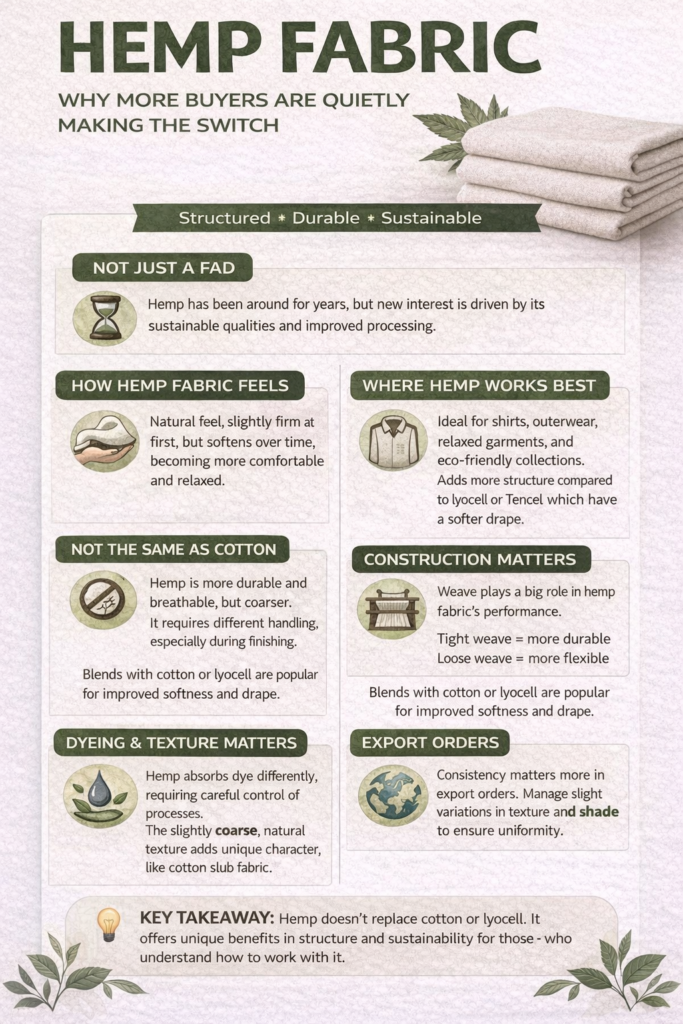
Hemp fabric didn’t suddenly become popular. It’s been around for years, but most buyers stayed away from it. The common perception was that it felt too rough, too rigid, and not really suitable for modern apparel. That idea stuck for a long time. Now things are shifting a bit.
Not because hemp itself has changed, but because the way it’s processed has improved. Also, buyers are looking at fabrics differently now. Comfort is still important, but so is durability and sustainability. Hemp happens to sit somewhere in between all of that.
Check out our digital swatch card here
What Hemp Fabric Actually Feels Like
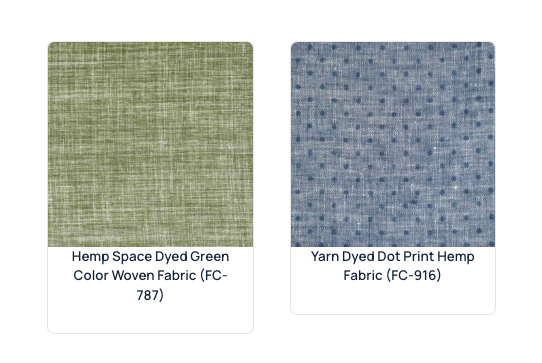
The first thing most people notice is the structure. Hemp doesn’t feel soft in the same way cotton does. At least not in the beginning. It has a slightly firm, almost dry feel. Some people like that immediately, others take a bit of time to get used to it. But here’s what’s interesting.
It softens with use. Not dramatically, but enough to change how the garment feels over time. That’s something many buyers don’t expect at the start. They judge it based on the first touch, and that doesn’t always tell the full story.
Where It Works Best
Hemp fabric doesn’t try to do everything. It works better in certain types of garments, especially where a bit of structure is actually useful. Shirts, outerwear, and more relaxed silhouettes tend to benefit from it. If someone is expecting a very fluid drape, something closer to a soft fall, then hemp might not be the right fit. Fabrics like lyocell fabric handle that better because they are designed for flow rather than structure. This difference matters more than people think.
A Small Thing Buyers Often Miss
I’ve noticed this quite a few times. When buyers first move to hemp, especially for sustainability reasons, they expect it to behave like cotton. Same handling, same finishing, same results. That’s where small problems start. Because hemp doesn’t respond the same way during processing. It needs a slightly different approach, and if that’s ignored, the fabric might feel off in the final product.
Construction Changes the Outcome
With hemp, construction becomes even more important. Since the fiber itself is stronger and slightly coarser, the way it’s woven can change how it performs quite a bit. A tighter construction gives more durability but reduces flexibility. A looser one improves comfort but might affect how the fabric holds its shape. This isn’t unique to hemp, of course. It’s something you’ll see across most woven materials. If you’ve explored different fabric structures before, like the variations explained in woven fabrics, you’ll know how much difference construction alone can make. But with hemp, that difference feels more noticeable.
Most Hemp Fabrics Are Not Pure
This is something worth pointing out. A lot of fabrics sold as hemp are actually blends. Not because pure hemp is a problem, but because blending makes the fabric easier to work with. When cotton is added, the fabric becomes softer. When lyocell is blended in, the drape improves. Polyester, on the other hand, helps with durability and cost control. So what you’re sourcing is often not just hemp, but a version of it adjusted for specific use.
Dyeing Doesn’t Always Go Exactly as Planned
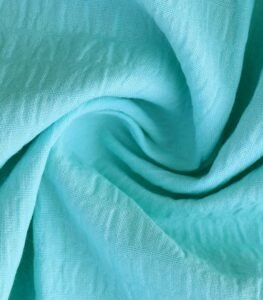
Hemp absorbs dye differently compared to cotton. That doesn’t mean it’s difficult to dye, but it does require attention. Sometimes you might see slight variations in shade or depth. Nothing extreme, but enough to notice if consistency is important. These variations usually come from how the fiber reacts during processing rather than any major defect. We’ve seen similar situations when working with different fibers, especially in cases explained in criteria for selecting dyes by fibre content, where the behavior of each fiber directly affects the final result.
Texture Is Not a Flaw
There’s still this idea that smoother is always better. With hemp, that doesn’t really apply.
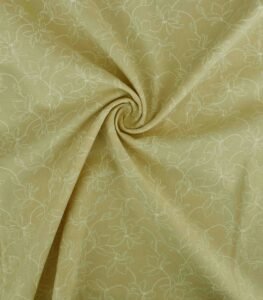
The slightly raw texture is part of what makes it interesting. It gives the fabric a certain character that you don’t get with more uniform materials. It’s similar to why brands use fabrics like cotton slub fabric. The irregularity is not a problem, it’s the point. Once you look at it that way, the fabric makes more sense.
Sampling Needs a Bit More Patience
With hemp, sampling is less about immediate approval and more about understanding behavior. The fabric you see initially might not feel the same after washing or finishing. That’s why testing becomes important. Some buyers rush through this stage, and that usually leads to adjustments later. We’ve seen how early-stage checks help avoid issues in production, especially in processes like those discussed in woven sample. The same idea applies here.
Export Orders Bring Their Own Challenges
When hemp fabric is used in export orders, consistency becomes more important. Natural fibers tend to have slight variations. That could show up in texture or even shade across batches. These are not necessarily quality issues, but they need to be managed. Otherwise, they can affect how the final garment looks as a collection. This is something buyers often experience in broader sourcing situations as well, especially in cases like why buyers struggle with Indian woven fabric exporters, where process consistency becomes the real challenge.
Production Still Needs Coordination
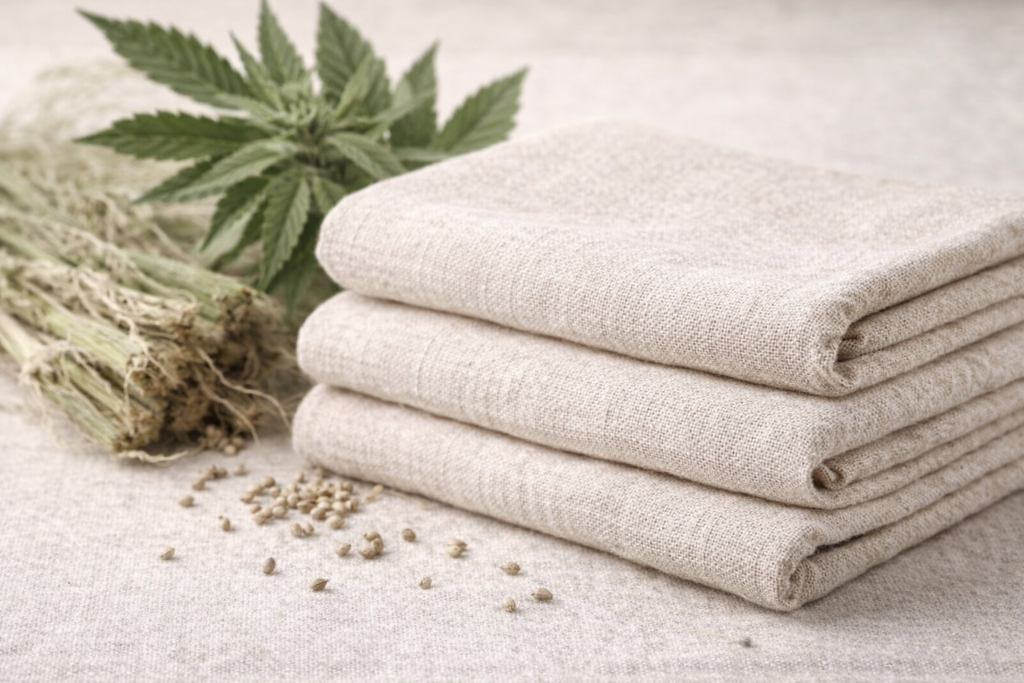
Even though hemp feels simple, production is not just one step. It moves through multiple stages, from fiber processing to spinning, weaving, dyeing, and finishing. Each step influences the next. In one situation I remember, additional finishing was required to improve softness, which slightly delayed the delivery timeline. Not a major issue, but something that needed planning. These small things add up.
The Supplier Makes the Real Difference
At some point, the focus shifts. It’s no longer just about the fabric, but about who is producing it. Because with hemp, variability is natural. Managing that variability is what defines quality. A good supplier keeps the process controlled, so what you see in sampling matches what you receive in bulk. Even with fabrics that seem simpler, like seersucker fabric, consistency depends on process control. With hemp, this becomes even more relevant. At Dinesh Exports, the idea is to manage these stages carefully so the final output stays predictable.
Final Thoughts
Hemp fabric is not trying to replace anything. It doesn’t compete directly with cotton or lyocell. It offers something slightly different. More structure, more durability, and a more natural feel. Once that expectation is clear, working with it becomes easier. And honestly, more predictable. If you are looking for a reliable woven fabric manufacturer, please contact us.
Frequently Asked Questions
What is hemp fabric used for?
It is commonly used in shirts, outerwear, and sustainable apparel collections where durability and structure are important.
Does hemp fabric feel rough?
It can feel slightly firm at first, but softens with use and washing.
Is hemp fabric sustainable?
Yes, it is considered eco-friendly due to lower water usage and natural sourcing.
Can hemp fabric be blended?
Yes, it is often blended with cotton, lyocell, or polyester to adjust softness and performance.
Is hemp better than cotton?
It depends on the application. Hemp is stronger and more durable, while cotton is softer initially.