TL;DR
Seersucker and poplin are both popular fabrics for shirts, but they serve different purposes. Seersucker fabric is more breathable and better suited for hot, humid conditions due to its puckered texture. Poplin fabric offers a smoother, more structured look, making it ideal for formal shirts. Apparel brands choose between them based on comfort, climate, and garment styling needs.
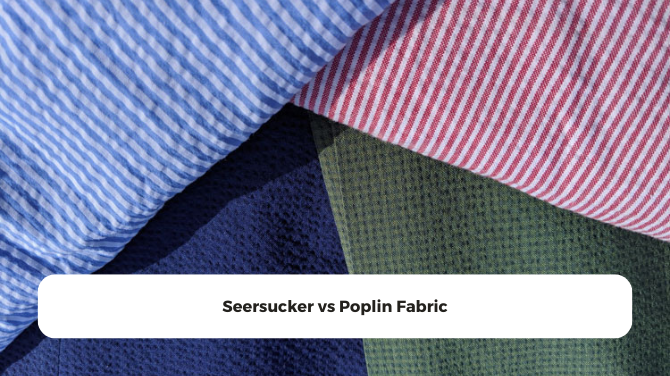
When brands design summer shirts, fabric selection becomes one of the most important decisions. At first, both fabrics might seem similar. They are lightweight, commonly made from cotton, and widely used in shirting. But once you start looking closely, the differences become quite clear.
The choice between seersucker vs poplin fabric often comes down to one thing. How the garment is expected to perform in real conditions. For buyers sourcing fabrics, especially for warmer regions or summer collections, understanding this difference helps avoid mistakes later in production.
Check out our digital swatch collection here
What Is Seersucker Fabric
Seersucker fabric is known for its puckered texture. Some parts of the fabric are raised while others remain flat. This texture is created during weaving by controlling yarn tension.
Because of this structure:
- the fabric does not sit flat on the skin
- air flows more easily
- it feels cooler when worn
Seersucker is commonly used for:
- casual shirts
- summer wear
- resort clothing
If you want to understand how weave structures affect fabric performance, you can check our article on woven fabrics.
What Is Poplin Fabric
Poplin fabric is a plain weave cotton fabric with a smooth, flat surface. It is tightly woven, which gives it a clean and slightly crisp look.
Poplin is often used in:
- formal shirts
- office wear
- uniforms
Compared to seersucker, poplin feels more structured and polished. If you are exploring cotton fabrics used in shirts, our guide on cotton fabric for shirts explains different fabric options in detail.
Key Differences Between Seersucker and Poplin Fabric
Let’s break this down in a simple way.
Texture
- Seersucker has a puckered, uneven surface
- Poplin is smooth and flat
Breathability
- Seersucker allows better airflow
- Poplin is breathable but sits closer to the skin
Appearance
- Seersucker looks casual and relaxed
- Poplin looks clean and formal
Maintenance
- Seersucker hides wrinkles
- Poplin wrinkles more easily and may need ironing
Use Case
- Seersucker works best for summer casual wear
- Poplin works best for structured shirts
Which Fabric Is Better for Summer Shirts
This is where the comparison really matters. If the goal is comfort in hot weather, seersucker has a clear advantage. Because it does not cling to the skin, it performs better in humid conditions. This is why many brands use seersucker for summer collections. Poplin, on the other hand, is still used in summer shirts, but more for occasions where appearance matters more than comfort.
So in simple terms:
- choose seersucker for comfort
- choose poplin for structure
Role of Sampling in Fabric Selection
No matter which fabric you choose, sampling is a critical step. Fabric behavior can change depending on yarn, weave, and finishing. During sampling, buyers usually check:
- fabric weight
- shrinkage
- color consistency
- hand feel
This becomes even more important when comparing fabrics like seersucker and poplin.
You can read more about this process in our article on woven sample.
Dyeing and Finishing Considerations
Both fabrics require proper dyeing, but the challenges are slightly different.
For seersucker:
- uneven surface can affect dye absorption
For poplin:
- tighter weave requires uniform dye penetration
In both cases, selecting the right dye is important.
Our article on criteria for selecting dyes by fibre content explains how dye selection affects final fabric quality.
Production and Consistency Challenges
Fabric consistency is one of the biggest concerns for buyers. With seersucker, maintaining uniform puckering across batches can be difficult. With poplin, maintaining consistent smoothness and finish is important.
Some common issues include:
- variation in texture
- inconsistent GSM
- finishing differences
This is why production planning becomes important. You can explore this further in our article on master production scheduling in the apparel industry.
Why Apparel Brands Choose Reliable Exporters
Whether it is seersucker or poplin, the quality of fabric depends heavily on the manufacturer.
Buyers typically look for exporters who can:
- deliver consistent quality
- match approved samples
- maintain production timelines
- handle dyeing and finishing properly
At Dinesh Exports, the focus is on maintaining control across all stages of fabric production, which helps reduce variation between sample and bulk.
Fabric Focus: All About Poplin Fabrics
Final Thoughts
The choice between seersucker vs poplin fabric depends on what the garment is meant to achieve. If comfort in heat is the priority, seersucker is usually the better option. If a clean and structured look is more important, poplin works well. For apparel brands, understanding these differences helps in making better sourcing decisions and delivering garments that meet customer expectations. If you are looking for a reliable woven fabri manufacturer, please contact us.
Frequently Asked Questions
What is the main difference between seersucker and poplin fabric?
Seersucker has a puckered texture that improves airflow, while poplin has a smooth surface and a more structured appearance.
Which fabric is better for hot weather?
Seersucker fabric is generally better for hot and humid conditions because it allows more air circulation.
Is poplin fabric breathable?
Yes, poplin is breathable, but it sits closer to the skin compared to seersucker.
Do seersucker shirts need ironing?
Not much. The natural texture hides wrinkles, so they require less ironing.
Is poplin fabric formal?
Yes, poplin is commonly used for formal shirts because of its clean and polished look.