TL;DR
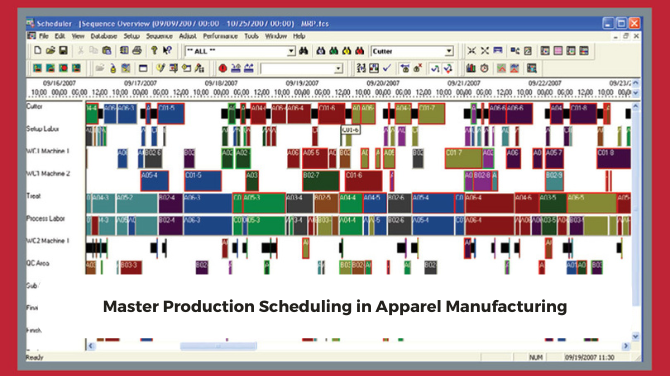
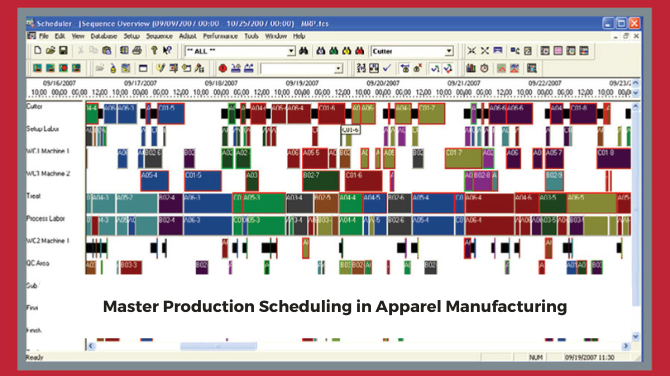
Master Production Scheduling in the apparel industry helps factories plan what to produce, when to produce it, and how much to produce. It balances order deadlines, factory capacity, and material availability to ensure on time delivery.
Why production planning needs structure
In apparel manufacturing, orders rarely come one by one.
Factories handle:
- Multiple buyers
- Multiple styles
- Different order quantities
- Overlapping delivery dates
Check out our digital swatch here
Without a structured production plan, problems start quickly:
- Lines may sit idle waiting for fabric
- Cutting may start before trims arrive
- High priority orders may clash with existing production
- Shipment dates may get missed
This is where Master Production Scheduling becomes essential.
Master Production Scheduling in the apparel industry creates a clear production roadmap. It aligns demand with available capacity before bulk production begins.
What is Master Production Scheduling
Master Production Scheduling, often called MPS, is a detailed plan that defines:
- What styles will be produced
- How many units will be produced
- Which production lines will handle them
- When production will start
- When production must finish
It converts confirmed sales orders into a time based production plan.
In simple terms, it answers one key question:
Can we produce this order on time with the capacity we actually have?
How MPS fits into the apparel production process
Once an order is confirmed and the Time and Action calendar is prepared, production allocation begins.
MPS works between:
- Order confirmation
- Bulk production start
It evaluates:
- Confirmed order quantity
- Delivery deadline
- Line efficiency
- Available manpower
- Machine capacity
- Fabric in house date
- Trim readiness
Without checking these factors, production planning becomes guesswork.
Master Production Scheduling ensures realistic commitments instead of optimistic assumptions.
Key components of MPS in apparel factories
- Order priority
Not all orders carry equal urgency. MPS ranks orders based on:
- Shipment deadlines
- Buyer importance
- Penalty clauses
- Repeat business value
- Capacity planning
Each production line has a specific capacity depending on:
- Standard Minute Value of the garment
- Line efficiency percentage
- Number of operators
- Working hours per shift
For example:
- A basic knit t shirt consumes fewer minutes
- A structured jacket consumes higher minutes
Allocating both without proper calculation causes bottlenecks.
- Production lead time calculation
Lead time includes:
- Cutting duration
- Sewing duration
- Finishing
- Inspection
- Packing
MPS works backward from shipment date to determine the production start date.
- Material readiness check
Production cannot begin without materials.
MPS verifies:
- Fabric availability
- Approved lab dips
- Trim arrival
- Print or embroidery readiness
Planning without material confirmation leads to idle lines.
- Buffer planning
Unexpected disruptions are common in apparel production:
- Fabric shade variation
- Machine breakdown
- Operator absenteeism
- Rework due to quality issues
A strong Master Production Schedule includes buffer days to absorb minor delays without affecting shipment.
Benefits of Master Production Scheduling in the apparel industry
Better delivery performance
- Improved on time shipment rate
- Reduced last minute pressure
- Lower risk of air freight
Balanced line utilization
- Logical distribution of styles
- Reduced overloading of specific lines
- Improved productivity
Reduced overtime cost
- Fewer emergency production extensions
- Better manpower control
- Improved profit margin
Improved interdepartmental coordination
- Cutting, sewing, and finishing aligned
- Merchandising updated with realistic timelines
- Fewer internal conflicts
Higher buyer confidence
- Consistent delivery builds trust
- Stronger long term business relationships
Common challenges in implementing MPS
Frequent order changes
- Quantity revision
- Shipment date advancement
- Style modification
Inaccurate efficiency data
- Overestimated line capacity
- Incorrect SMV calculation
Material delays
- Late fabric dispatch
- Delayed trims
- Pending approvals
Over commitment
- Accepting orders beyond actual production capacity
Role of merchandisers in Master Production Scheduling
Merchandisers provide critical inputs to the planning team:
- Confirmed order details
- Shipment deadlines
- Fabric and trim status
- Special production requirements
If updates are not shared on time, the entire schedule becomes unreliable.
Strong communication between merchandising and production planning ensures MPS accuracy.
Difference between MPS and daily production planning
Master Production Scheduling focuses on:
- Long term order allocation
- Line wise planning
- Capacity balancing
Daily production planning focuses on:
- Daily output targets
- Manpower adjustment
- Immediate problem solving
MPS sets direction. Daily planning manages execution.
How technology supports MPS
Modern apparel factories use ERP and planning software to:
- Monitor real time production
- Track efficiency
- Generate capacity reports
- Adjust schedules automatically
However, even the best system depends on accurate data and experienced planners.
Why Master Production Scheduling matters more today
Today’s apparel industry faces:
- Shorter lead times
- Smaller order quantities
- More style variations
- Higher buyer expectations
Without structured scheduling, factories struggle with:
- Shipment delays
- Quality compromise due to rushed production
- High overtime cost
- Low line productivity
Master Production Scheduling in the apparel industry provides control in a high pressure environment. It allows factories to plan confidently instead of reacting under stress.
Final thoughts
Master Production Scheduling is not just a planning sheet. It is a control system that connects demand, capacity, and delivery.
By aligning:
- Order quantity
- Factory capacity
- Material readiness
- Shipment deadlines
Factories improve efficiency, reduce risk, and strengthen buyer relationships. In modern garment manufacturing, strong MPS practices are not optional. They are essential for sustainable growth and consistent on time performance. If you are looking for a reliable woven fabric manufacturer, please contact us.