TL;DR
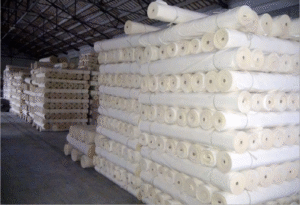
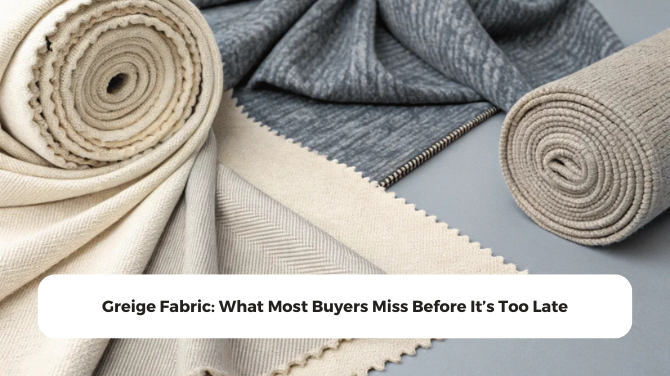
Griege fabric is unfinished fabric straight off the loom. It looks basic, but it’s one of the most critical stages in fabric production. If quality issues exist here, they carry forward into dyeing, finishing, and final garments. Smart buyers don’t skip this stage.
Let’s Be Honest… Griege Fabric Doesn’t Look Impressive
If you’ve seen griege fabric for the first time, it probably didn’t stand out. It looks dull. Slightly rough. Sometimes uneven. No color. No finish. Nothing that screams “final product.” And that’s exactly why many buyers underestimate it. But here’s the thing.
This is the stage where most problems either start… or get caught early. And if they’re not caught here, they don’t disappear later. They just become more expensive to fix.
What Is Griege Fabric, Really?
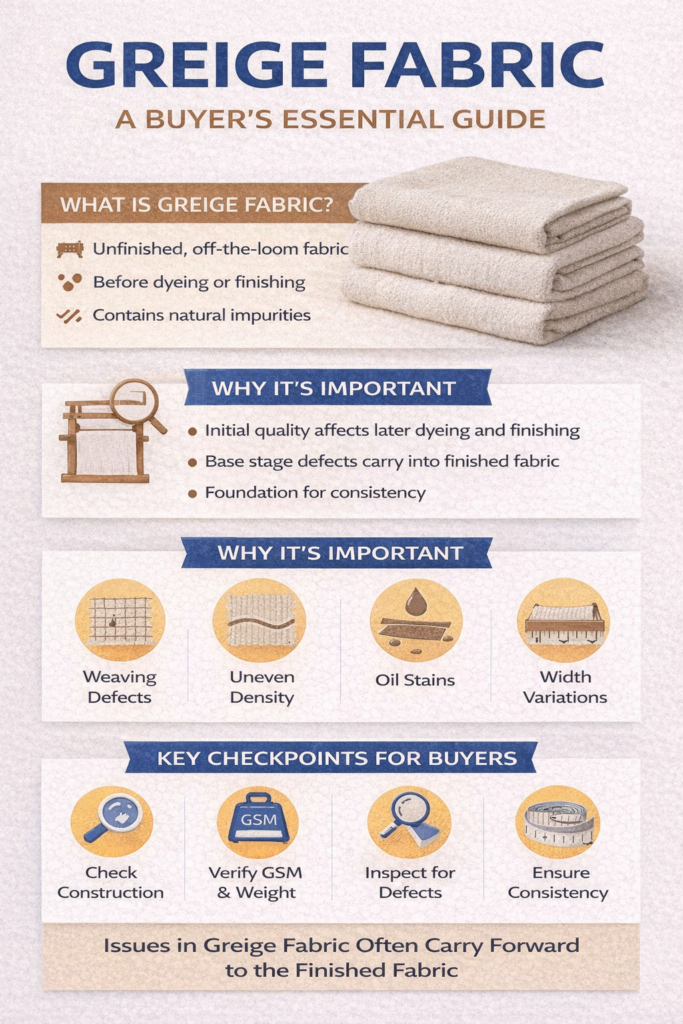
Griege fabric is fabric in its raw, unfinished state. Straight from weaving or knitting. No dyeing. No chemical finishing. Just yarn turned into fabric.
At this stage, the fabric still contains:
- natural impurities
- sizing chemicals from weaving
- uneven textures or minor inconsistencies
It’s not meant to look good yet. It’s meant to be processed. If you’ve worked with woven structures before, like the variations explained in our guide on woven fabrics, you’ll know that what happens during construction directly affects everything that comes after. Griege fabric is basically that raw foundation.
Why This Stage Matters More Than Most Buyers Think
A lot of sourcing decisions focus on the final fabric. Color. Finish. Hand feel. But by the time you’re looking at those, most of the real work has already happened.
Because:
- weaving defects don’t disappear after dyeing
- uneven tension affects finishing
- yarn quality impacts durability
I’ve seen cases where buyers approved finished fabric samples, but later discovered issues like streaks or uneven dyeing in bulk. When traced back, the problem wasn’t dyeing. It started at the griege stage.
Common Issues Found in Griege Fabric
This is where things get practical. Some issues are easier to spot than others.
Typical ones include:
- weaving defects (missing yarns, floats)
- uneven fabric density
- oil stains or contamination
- variations in width
Individually, these might seem minor. But once the fabric goes through dyeing and finishing, these issues can become more visible. And harder to fix.
The Link Between Griege Fabric and Dyeing Results
This part is often overlooked. Dyeing doesn’t “fix” fabric. It only enhances or exposes what’s already there. If the base fabric is inconsistent, dyeing will highlight that inconsistency.
You might see:
- shade variation
- patchy dyeing
- streaks
This is especially true when working with different fibers or blends. As we explained in criteria for selecting dyes by fibre content, each fiber reacts differently to dyeing, and the base fabric condition plays a big role. So if the griege fabric isn’t right, the dyeing stage becomes unpredictable.
Why Sampling Should Start Earlier Than You Think
Most buyers focus on sampling after finishing. But if you’re working at scale, it helps to look at griege samples too. Because this is where you can catch:
- construction issues
- GSM variation
- basic fabric feel
I’ve noticed that buyers who skip this step usually end up spending more time correcting issues later. We’ve seen similar patterns in our discussion on woven sample, where early-stage checks reduce back-and-forth during production.
Griege Fabric in Export Orders
When you’re sourcing for export, expectations are tighter. Consistency becomes non-negotiable. Because you’re not dealing with small quantities. Even a small variation in griege fabric can lead to:
- batch-to-batch inconsistency
- rejection at the garment stage
- delays in delivery
And at that point, fixing it is not simple. We’ve talked about similar challenges in why buyers struggle with Indian woven fabric exporters, where process gaps create bigger issues down the line.
The Role of Production Planning
Griege fabric is not a standalone stage. It’s part of a chain.
- yarn sourcing
- weaving
- processing
- finishing
If one stage is slightly off, it affects the next. In one situation I remember, the fabric construction was fine, but yarn quality varied slightly between batches. That small variation showed up later during finishing. Not immediately obvious. But noticeable. This is why planning matters more than it seems. We’ve covered this in master production scheduling in the apparel industry, where coordination across stages is key.
Why the Supplier Makes All the Difference
At some point, buyers stop asking only about fabric. They start asking about the process behind it. Because griege fabric quality depends heavily on:
- weaving control
- yarn consistency
- machine settings
- inspection processes
A good supplier doesn’t just deliver fabric. They manage the process. For example, when working with structured fabrics or even seasonal options like seersucker fabric, consistency starts at the base stage, not the finishing stage. At Dinesh Exports, the focus is on maintaining that control early, so fewer surprises show up later.
Final Thoughts
Griege fabric doesn’t get much attention. It’s not meant to. But it plays a bigger role than most people realize. It’s where fabric quality actually begins. And if something goes wrong here, it usually carries forward. So instead of treating it as just another stage, it helps to look at it as the foundation. Because in most cases, that’s exactly what it is. If you are looking for a reliable woven fabric manufacturer, please contact us.
Frequently Asked Questions
What is griege fabric?
It is unfinished fabric directly from the loom, before dyeing or finishing.
Why is griege fabric important?
Because it determines how the final fabric will behave after processing.
Can defects in griege fabric be fixed later?
Some can be minimized, but most issues carry forward into finished fabric.
Is griege fabric used in export orders?
Yes, it is the base stage for most export fabrics before processing.
What should buyers check in griege fabric?
Construction, GSM, defects, and consistency across batches.