TL;DR
Export fabric sourcing is not just about choosing a material and placing an order. Buyers need to understand fabric construction, sampling, HS codes, and supplier reliability. Whether sourcing from hubs like Erode or working with exporters, the real difference comes from process control and consistency, not just price.
On paper, sourcing fabric for export looks easy. Pick a fabric. Approve a sample. Place the order. Done. But if you’ve actually done it before, you already know it rarely goes that smoothly.
Sometimes the sample looks perfect, but bulk turns out slightly different. Sometimes timelines shift without warning. And sometimes, the issue is not even the fabric, it’s how it was handled somewhere along the process.
That’s the part many first-time buyers don’t see coming.
Working with export fabric is less about finding a product and more about managing a chain of small decisions that all affect the final result.
Check out our digital swatch collection here for woven fabrics exporting
Understanding Woven Material Examples in Export Fabric
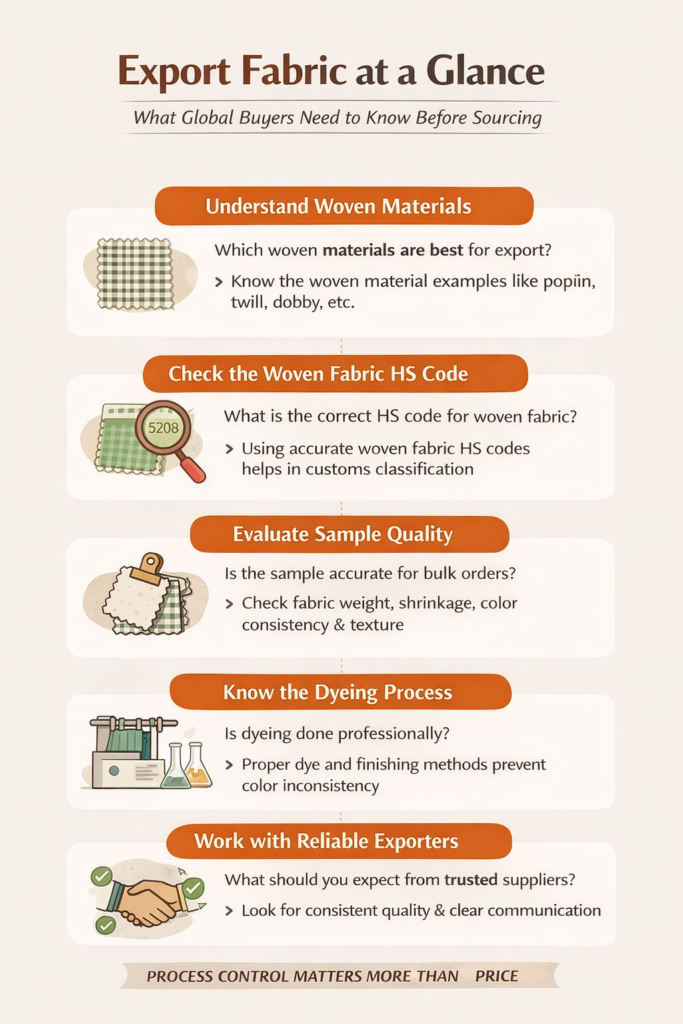
Before getting into sourcing, it helps to understand what you’re actually buying. Not all woven fabrics behave the same way, even if they look similar at first glance. Some common woven material examples you’ll come across:
- poplin
- twill
- dobby
- seersucker
- Oxford
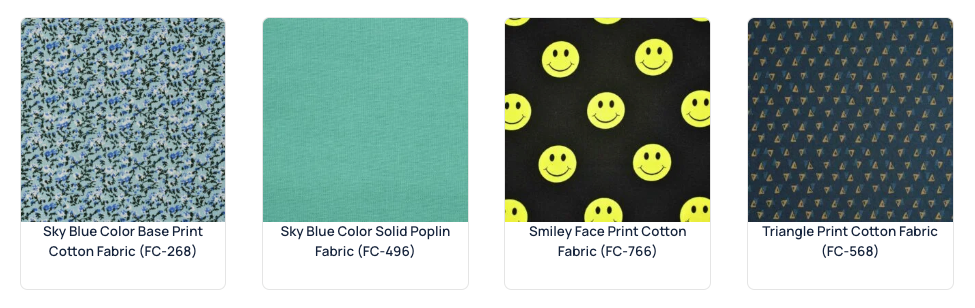
Each one has its own personality, if you can call it that. Poplin feels clean and structured. Twill is a bit more durable. Seersucker, on the other hand, feels lighter and more relaxed, especially in summer.
For example:
- poplin works well for formal shirts
- twill offers better durability
- dobby adds texture and design variation
If you want a deeper understanding of how these fabrics are constructed, our article on woven fabrics explains this in detail.
Why Fabric Construction Matters in Export Orders
A lot of buyers focus only on the fiber. Cotton, polyester, blends. That’s fine, but it’s only half the picture. Two fabrics made from the same cotton can behave very differently depending on how they are woven and finished.
I’ve seen cases where:
- the GSM was slightly off, and the garment felt completely different
- the weave was not tight enough, and durability became an issue
- finishing was inconsistent, which affected the look
This becomes even more critical in export orders where consistency is expected across large quantities. If you’re sourcing fabrics specifically for shirts, our guide on cotton fabric for shirts explains how different constructions are used in apparel.
What Is a Woven Fabric HS Code and Why It Matters
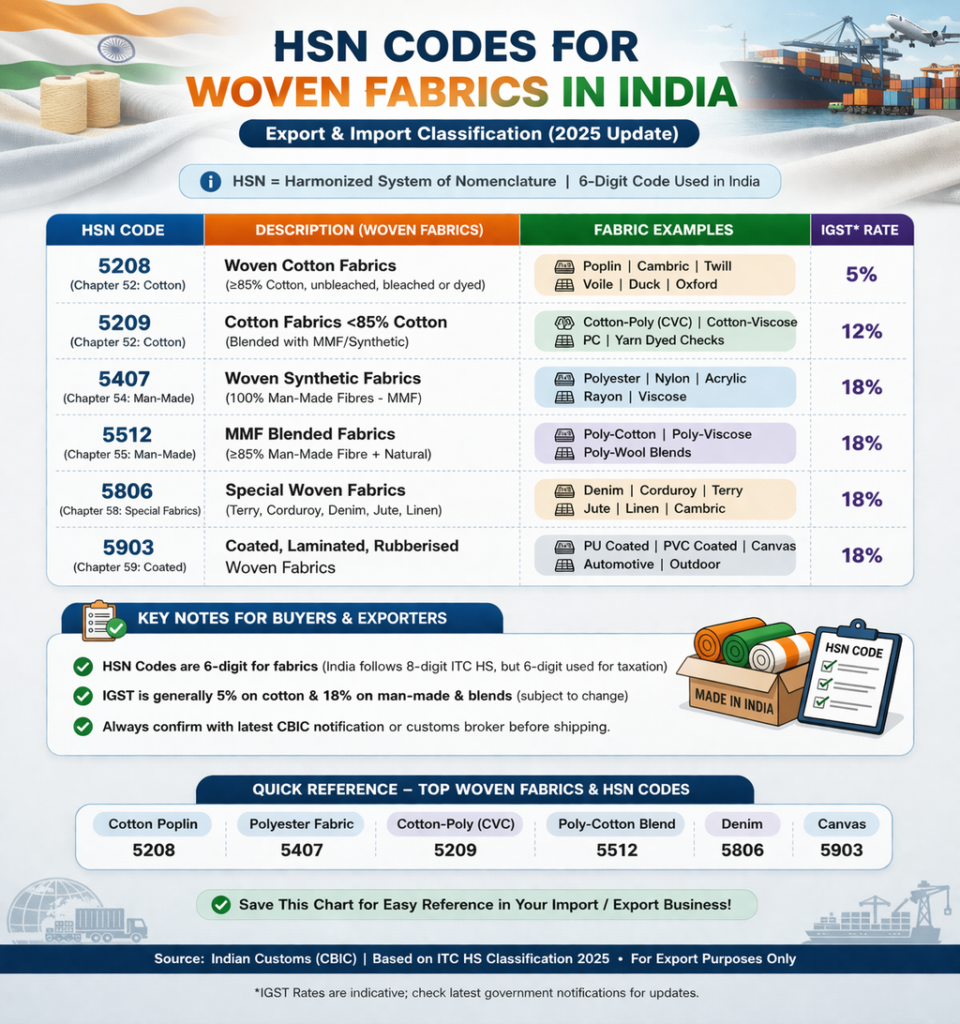
This is one of those things buyers don’t always think about until something goes wrong.
The woven fabric HS code is used to classify fabrics during export. It sounds like a small detail, but it directly affects customs clearance.
If the code is incorrect, you might face:
- shipment delays
- unexpected duties
- documentation issues
It’s not the most exciting part of sourcing, but it’s one of those things that quietly decides whether your shipment moves smoothly or gets stuck.
Why Buyers Look at Regions Like Erode for Fabric Sourcing
If you’ve ever searched for suppliers, you’ve probably seen this:
- woven fabric manufacturers in Erode
- woven fabric suppliers in Erode
There’s a reason for that. Erode has built a strong reputation as a textile hub, especially for cotton and woven fabrics. Many suppliers there have solid production setups.
But, and this is important, not all suppliers operate the same way. Some are great with pricing but struggle with consistency. Others are more process-driven and focus on quality control. So instead of just looking at location, it helps to evaluate things like:
- how they handle sampling
- how consistent their production is
- how clearly they communicate
The Importance of Sampling Before Export Orders
If there’s one step I’d say never skip, it’s sampling. Even if everything looks fine on paper, the sample is where things become real.
Buyers usually check:
- fabric weight
- shrinkage
- color accuracy
- hand feel
And sometimes, this is where small issues show up early, which is actually a good thing.
Skipping this step can lead to major issues later. We’ve explained this in detail in our article on woven sample and why it plays such a big role in export orders.
Dyeing and Finishing in Export Fabric
Dyeing doesn’t always get attention unless there’s a problem. But when it does go wrong, it shows.
You might notice:
- slight shade differences
- fading after washing
- uneven color in bulk
These issues usually come from poor dye selection or inconsistent processing.
Selecting the right dye based on fiber composition is important here. You can read more about this in our article on criteria for selecting dyes by fibre content.
Production Planning and Delivery Timelines
This is another area that doesn’t get much attention in the beginning. Until something gets delayed. Export orders usually run on fixed timelines, especially when they are tied to seasonal collections. A delay of even a few days can affect everything that comes after, including garment production and shipment.
In one case I came across, the issue wasn’t capacity. The factory had enough machines and manpower. The delay happened because yarn sourcing and dyeing schedules didn’t align properly. Small gap, but it pushed the entire timeline.
That’s the thing with production planning. It’s not just about making fabric, it’s about coordinating multiple steps so they don’t clash.
Some common reasons delays happen:
- raw material not available on time
- machine scheduling conflicts
- miscommunication between teams
- finishing delays
When these are planned properly, things move quietly in the background. When they’re not, problems show up quickly.
This is why structured planning becomes important. Our article on master production scheduling in the apparel industry explains how production is managed to meet deadlines.
Common Problems Buyers Face When Sourcing Export Fabric
Some issues are easy to spot early. Others only show up after you’ve gone through the full process once. And usually, they’re not big dramatic failures. They’re small differences that add up.
A few that come up quite often:
- bulk fabric not matching the approved sample exactly
- slight variation in color across batches
- delays in approvals or communication
- inconsistency in finishing
None of these sound major on their own. But when you’re dealing with export fabric, even small inconsistencies can affect the final garment. I’ve noticed that newer buyers tend to focus heavily on price in the beginning. Over time, the focus shifts toward consistency and reliability. That change usually comes after facing one or two of these issues.
We’ve discussed these challenges in our article on Indian woven fabric exporters, especially from a buyer’s perspective.
Why Reliable Exporters Make a Difference
At some point, most buyers stop asking “what fabric should I choose” and start asking “who should I work with”. Because the supplier is the one managing everything behind the scenes.
A good exporter doesn’t just supply fabric. They manage:
- sampling accuracy
- production consistency
- dyeing control
- timelines and communication
And you can usually tell the difference early on. The way they respond during sampling, how they handle small changes, how clearly they communicate, all of that gives you a sense of how things will go later.
At Dinesh Exports, the focus is more on process than just product. The idea is simple. What gets approved during sampling should be what you receive in bulk. No surprises.
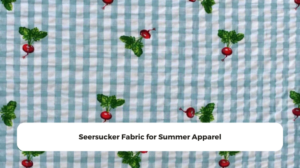
You can also explore how specific fabrics perform in our article on seersucker fabric, which is widely used in summer apparel.
Final Thoughts
Export fabric sourcing is not complicated, but it’s also not something you can treat casually. Most of the issues don’t come from one big mistake. They come from small things that get missed along the way. Fabric construction, sampling, dyeing, planning. Each one seems like a small step, but together they decide how the final product turns out.
Once you’ve worked through a few cycles, you start noticing patterns. You know where things might go wrong, and more importantly, how to avoid them. That’s when the process starts feeling more controlled, and a lot less uncertain. If you are looking for a reliable woven fabric manufacturer and exporter, please contact us.
Frequently Asked Questions
What does export fabric mean?
Export fabric refers to textiles produced for international markets, usually meeting specific quality and compliance standards.
What is a woven fabric HS code?
It’s a classification used in global trade to identify woven fabrics for customs and duty purposes.
Why is sampling important in fabric export?
Sampling helps verify how the fabric will actually perform before bulk production begins.
Why is Erode known for textile sourcing?
Erode has a strong textile base, especially in cotton and woven fabrics, which is why many buyers look for suppliers there.
How do I choose a fabric exporter?
Consistency, communication, and process control matter more than just pricing.