
TL;DR
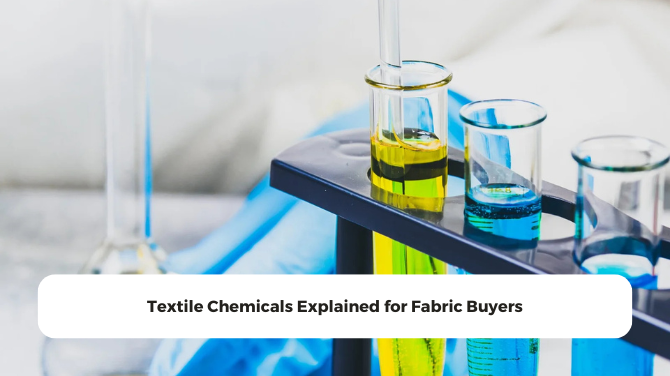
Textile chemicals are not optional. They help fabrics get cleaned, dyed, softened, stabilized, and made usable. The key is using the right chemicals, in the right amount, and following safety standards.
Why textile chemicals matter more than people think
When people hear the word “chemicals” in textiles, the first reaction is usually negative. But the truth is, without chemicals, fabric manufacturing as we know it simply does not work.
Raw cotton coming from a bale cannot go straight into a shirt. Yarn coming off a loom is not ready to be worn. Somewhere in between, chemicals play a role. Sometimes small, sometimes critical.
From our side as a woven fabric manufacturer, chemicals are tools. Like machines or looms. Used correctly, they improve quality and consistency. Used wrongly, they create problems down the line for brands, factories, and even the end customer.
So instead of avoiding the topic, it helps to understand it properly.
What are textile chemicals, in simple terms
Textile chemicals are substances used during different stages of fabric production to clean, treat, color, protect, or enhance the fabric.
They are used during:
- Pre treatment
- Dyeing and printing
- Finishing
- Special performance treatments
Some chemicals stay in the fabric in very small quantities. Some are completely washed out after use. Not every chemical is harmful, and not every “natural” process is chemical free either.
Even water treatment involves chemistry.
Chemicals used during fabric pre treatment
Before fabric can be dyed or printed, it needs to be prepared. This is where pre treatment chemicals come in.
Common processes include:
- Desizing
- Scouring
- Bleaching
These steps remove natural waxes, oils, starches, and impurities from cotton or other fibers.
For example, cotton contains natural fats. If those are not removed properly, dye will not absorb evenly. That leads to patchy shades, complaints, and reprocessing.
Chemicals used here are usually washed out completely before dyeing starts.
Reference:
https://textilelearner.net/textile-pre-treatment-process/
Chemicals in dyeing and printing
This is the stage most people associate with textile chemicals.
Dyes themselves are chemicals. Even natural dyes require mordants or fixing agents to bind color to fiber. Without that, the shade will fade quickly.
In dyeing and printing, chemicals help with:
- Color fixation
- Shade consistency
- Penetration into fiber
- Wash and rub fastness
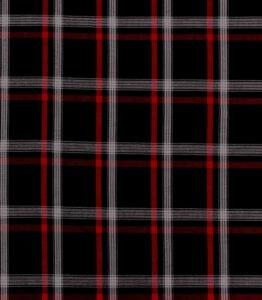
For woven fabrics, especially yarn dyed qualities and AOPs, consistency is everything. A small variation in chemical balance can change shade across batches.
That is why controlled chemical usage matters more than just “using less”.
Finishing chemicals and why brands care
After dyeing, fabric still feels unfinished. This is where finishing chemicals come into play.
These help with:
- Softness
- Wrinkle resistance
- Dimensional stability
- Hand feel improvement
Some finishes are temporary and wash out. Some are designed to last through multiple washes.
For buyers and merchandisers, this stage affects how the fabric feels on the table, how it behaves during cutting, and how it performs after garment washing.
Poor finishing choices can lead to shrinkage issues or fabric complaints at the garment stage.
Reference:
https://www.fibre2fashion.com/industry-article/3641/textile-finishing-process
Are textile chemicals unsafe
This is where context is important.
Not all chemicals are unsafe. The problem comes when:
- Restricted substances are used
- Dosages are uncontrolled
- Effluent treatment is ignored
Most responsible mills today work under strict guidelines like:
- REACH compliance
- ZDHC MRSL
- OEKO TEX standards
At our manufacturing level, chemicals are selected based on end use, buyer requirement, and export destination. A fabric meant for babywear will not be treated the same way as one meant for outerwear.
Safety is not about zero chemicals. It is about correct chemicals.
Sustainable chemicals and newer alternatives
Sustainability has pushed the industry to rethink chemical usage.
Today, many mills are shifting toward:
- Low impact dyes
- Bio based softeners
- Enzyme treatments instead of harsh chemicals
- Water saving chemical systems
These do not always eliminate chemicals, but they reduce environmental load.
For brands, this matters because chemical compliance is now linked to brand reputation, not just factory audits.
Reference:
https://www.roadmaptozero.com/
What buyers should ask about textile chemicals
If you are a sourcing manager or merchandiser, you do not need to know every chemical name. But you should ask the right questions.
Some useful questions include:
- Are you compliant with buyer restricted substance lists
- Do you follow ZDHC or REACH guidelines
- Are test reports available if required
- How do you manage effluent and discharge
These questions tell more about a supplier than just price.
Common misconceptions around textile chemicals
One common mistake is assuming “natural fabric” means chemical free. That is rarely true.
Another is thinking more chemicals always mean better quality. That is also wrong.
Good fabric quality comes from balance. Right fiber, right process, right chemistry.
Over processing often causes more harm than benefit.
Why understanding chemicals helps better sourcing decisions
When buyers understand the role of textile chemicals, conversations become more practical.
Instead of saying “we want eco fabric”, the discussion shifts to:
- What certification is needed
- What end use the fabric has
- What performance is expected
This saves time, avoids sampling delays, and reduces surprises during production.
From a manufacturer’s side, clarity always leads to better outcomes.
Final thoughts
Textile chemicals are part of fabric manufacturing whether we like it or not. The focus should not be on avoiding them completely, but on using them responsibly.
For brands and buyers, understanding this helps in choosing the right supplier, setting realistic expectations, and building long term partnerships.
At the end of the day, good fabric is not just about yarn and weave. It is also about what happens in between. If you are looking for a reliable woven fabric manufacturer that uses sustainable, certified chemicals in manufacturing, please contact us.
[…] Finishing is the process done after production in the textiles .i.e. yarns, fabrics, garments to make it attractive, presentable as well as impart certain desirable properties, broadening the area of textile application and use. It is most often that the yarns are exempted from the finishing process as they can be later finished in fabric or garment form. A desirable finished can easily increase the value of textile goods rather than their raw form. If you want to learn more, check out our recent article on Textile Chemicals Explained for Fabric Buyers […]
[…] Textile Chemicals Explained for Fabric BuyersRead the article […]