


TL;DR
Printed cotton cloth continues to be one of the most widely used materials in global apparel manufacturing. It combines comfort, breathability, and design flexibility. Fashion brands rely on printed cotton fabrics because they are easy to design with, scalable for production, and suitable for many garment categories. When sourced from experienced textile exporters such as Dinesh Exports, buyers can also avoid many common fabric sourcing challenges.
Check out our woven fabric digital swatch here
Why Printed Cotton Cloth Is Still Popular in the Fashion Industry
Textile trends come and go. Every year we see new performance fabrics, synthetic blends, and technical materials entering the market. But somehow printed cotton cloth always stays relevant.
If you walk through garment sourcing exhibitions or fashion trade shows, you will quickly notice how many collections still rely on printed cotton fabrics. From casual shirts to dresses and kidswear, printed cotton cloth appears almost everywhere.
There are a few reasons behind this.
Cotton as a fiber is naturally comfortable. It breathes well, absorbs moisture, and feels soft against the skin. When printing techniques are applied to cotton fabric, designers suddenly gain a huge amount of creative freedom.
They can easily create:
- Floral designs
- Abstract patterns
- Cultural motifs
- Seasonal prints
- Brand specific artwork
Because of this flexibility, printed cotton cloth remains a core fabric for fashion designers and apparel manufacturers. If you are interested in understanding how woven structures affect print quality, our guide on woven fabrics explains how different fabric constructions influence dye absorption and printing results.

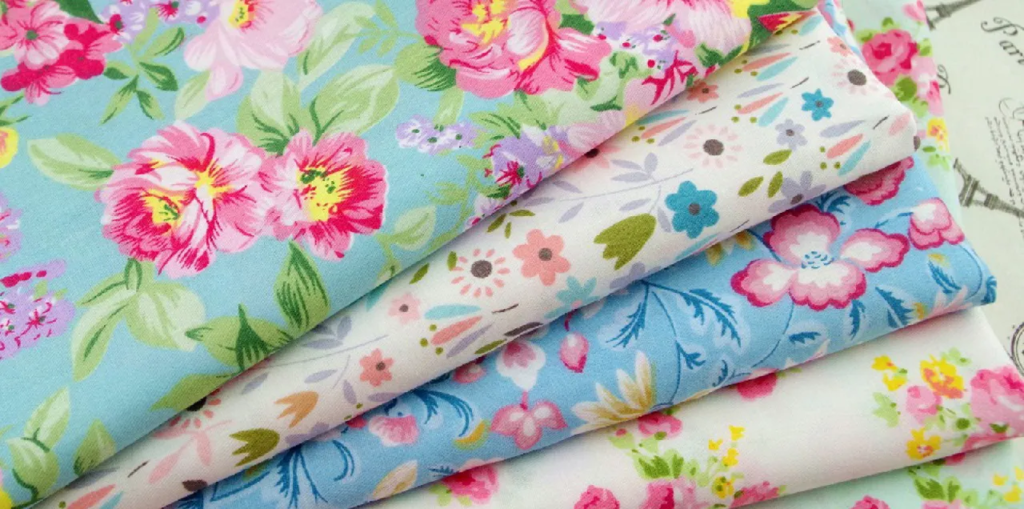
What Exactly Is Printed Cotton Cloth?
Printed cotton cloth simply refers to cotton fabric that has designs applied after weaving.
Instead of weaving colored yarns together to create patterns, printing applies designs directly onto the fabric surface.
This allows manufacturers to reproduce detailed patterns at scale.
Common printing techniques used in the textile industry include:
- Rotary printing for large production runs
- Digital textile printing for detailed designs
- Screen printing for small batch production
- Block printing in traditional textile manufacturing
Each method has slightly different advantages depending on the type of garment and production quantity. For global fashion brands, rotary printing remains one of the most widely used processes because it supports high volume manufacturing with consistent results.
Why Apparel Brands Prefer Printed Cotton Cloth
There are several practical reasons why apparel brands continue to rely on printed cotton fabrics.
1. Unlimited design flexibility
Printing allows designers to explore creative ideas without being restricted by yarn color combinations.
Design possibilities include:
- Seasonal fashion prints
- Brand signature patterns
- Vintage style motifs
- Contemporary geometric designs
- Storytelling artwork used in collections
Because printing happens after weaving, designers can experiment much more easily.
2. Perfect for casual fashion categories
Printed cotton cloth works especially well for casual and lifestyle garments.
You will often find it used in:
- Casual shirts
- Summer dresses
- Kidswear collections
- Sleepwear and loungewear
- Resort and holiday garments
These garments require fabrics that are comfortable, breathable, and easy to maintain. Cotton meets all these requirements.
3. Suitable for large scale manufacturing
Another advantage of printed cotton cloth is production scalability. Once a print design has been approved, the same design can be reproduced consistently across large quantities of fabric.
However, this requires careful control of several factors including:
- Fabric preparation
- Dye selection
- Printing accuracy
- Finishing processes
Without these controls, print quality can become inconsistent between batches.
Challenges Buyers Sometimes Face When Sourcing Printed Cotton Cloth


Even though printed cotton fabrics are widely used, buyers sometimes face challenges when sourcing them from overseas suppliers.
Common problems include:
- Shade variation between production batches
- Print misalignment during manufacturing
- Fabric shrinkage after printing
- Color fading after washing
- Delays during sampling development
These issues are often caused by poor production control or lack of technical expertise.
Sampling is one stage where many problems can be detected early. Before moving to bulk production, buyers typically evaluate fabric samples to check print clarity and fabric performance.
Our article on woven sample explains why proper sampling helps buyers avoid costly mistakes later in production.
The Role of Dye Selection in Printed Cotton Fabrics
Another important factor in printed cotton cloth production is dye selection.
Different dyes behave differently depending on the fiber composition of the fabric.
If the wrong dye type is used, manufacturers may encounter issues such as:
- Weak color fastness
- Uneven print appearance
- Color bleeding during washing
- Poor durability of prints
Reactive dyes are commonly used for cotton fabrics because they form a strong bond with the fiber.
Choosing the correct dye is essential for maintaining print stability.
Our guide on criteria for selecting dyes by fibre content explains how fiber content influences dye performance in textile manufacturing.
Why Production Planning Is Important in Fabric Printing
Many people assume printing fabric is a simple process. In reality, several production stages must work together smoothly.
These stages usually include:
- Fabric weaving
- Fabric pre treatment and preparation
- Printing process
- Washing and fixation
- Finishing treatments
- Final quality inspection
If any of these steps are poorly managed, production delays or quality issues can appear.
Reliable textile exporters rely on structured production planning systems to ensure that each stage is completed on time. Our article on master production scheduling in the apparel industry explains how proper scheduling improves manufacturing efficiency.
Why Buyers Choose Reliable Fabric Exporters
For international apparel brands, choosing the right fabric supplier is extremely important.
Working with experienced textile exporters helps reduce sourcing risks and ensures consistent production results.
Reliable exporters typically offer:
- Consistent fabric quality
- Stable print reproduction across batches
- Accurate sample development
- Clear communication during production
- Reliable delivery timelines
At Dinesh Exports, printed cotton fabrics are produced with close attention to each stage of the manufacturing process. From yarn selection to printing and finishing, the focus is on maintaining quality consistency across bulk orders.
You can also explore our complete range of woven fabrics developed for global apparel manufacturing.
Keyword Clusters Around Printed Cotton Cloth
If you look closely at how buyers search online, you will notice that the keyword printed cotton cloth is usually connected to several related search terms.
These include:
- printed cotton fabric
- cotton printed fabric for dresses
- floral printed cotton cloth
- cotton fabric printed designs
- cotton printed dress material
- block printed cotton cloth
- cotton printed fabric wholesale
Creating content around these keyword clusters helps textile exporters and manufacturers build stronger visibility in search results. When multiple related articles connect through internal links, it signals topical authority to search engines.
Final Thoughts
Despite constant innovation in textile manufacturing, printed cotton cloth continues to hold a strong position in global fashion production. Its popularity comes from a combination of advantages:
- Natural comfort of cotton fibers
- Unlimited design possibilities
- Suitability for large scale production
- Wide acceptance across global apparel markets
For apparel brands, printed cotton fabrics offer a practical balance between creativity and commercial manufacturing. However, achieving consistent quality requires experience in dye selection, printing technology, and production planning.
This is why many international buyers prefer sourcing fabrics from experienced textile exporters who understand the entire manufacturing process. With the right sourcing partner, printed cotton cloth can deliver both creative flexibility and reliable production performance. If you are looking for reliable woven fabric manufacturer, please contact us.
Frequently Asked Questions About Printed Cotton Cloth
What is printed cotton cloth?
It is cotton fabric that has patterns or designs applied using printing techniques such as rotary printing, digital printing, or screen printing.
Is printed cotton cloth suitable for summer clothing?
Yes, cotton fabrics are breathable and comfortable, which makes printed cotton cloth ideal for warm climates and summer garments.
Does printed cotton fabric shrink?
Like most cotton fabrics, some shrinkage may occur if the fabric is not properly pre treated or finished during manufacturing.
What garments commonly use printed cotton cloth?
Printed cotton fabrics are widely used in shirts, dresses, kidswear, sleepwear, and casual fashion garments.
Why do fashion brands still prefer printed cotton fabrics?
Printed cotton fabrics allow designers to create unique patterns while maintaining the comfort and breathability that cotton provides.