


TLDR
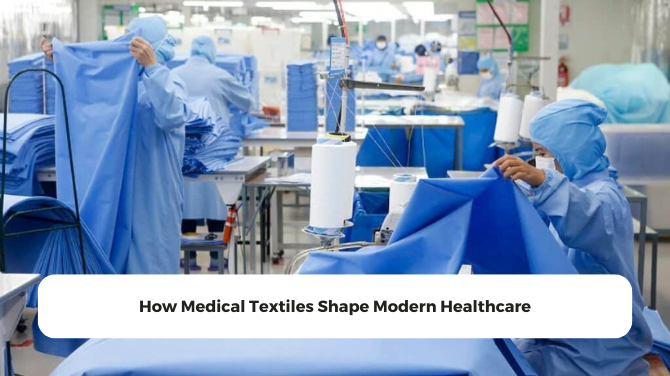
Medical textiles are fabrics designed for hospitals, hygiene products, patient care, surgery rooms, and protective gear. They look simple from outside but carry strict standards, testing, and performance requirements. This article explains the main types, how they are made, and why the healthcare sector can’t function without them.
Most of us in the textile or garment world work with everyday fabrics like cotton, modal, poly blends, and the occasional fancy sustainable fiber. But there’s a whole side of the industry that operates quietly behind the scenes. These textiles don’t end up in fashion stores. They end up in operation theaters, ambulance kits, maternity wards, and sometimes even directly on the skin for wound care.
They’re called medical textiles, and honestly, they are way more high-tech than people assume.
As a woven fabric manufacturer, we mainly work in apparel, but we keep track of medical fabric innovation because some technologies cross over into workwear, PPE and hygiene categories. So here’s a simple explainer, written the way humans actually talk.
Check out our Digital Swatch here
What Exactly Are Medical Textiles

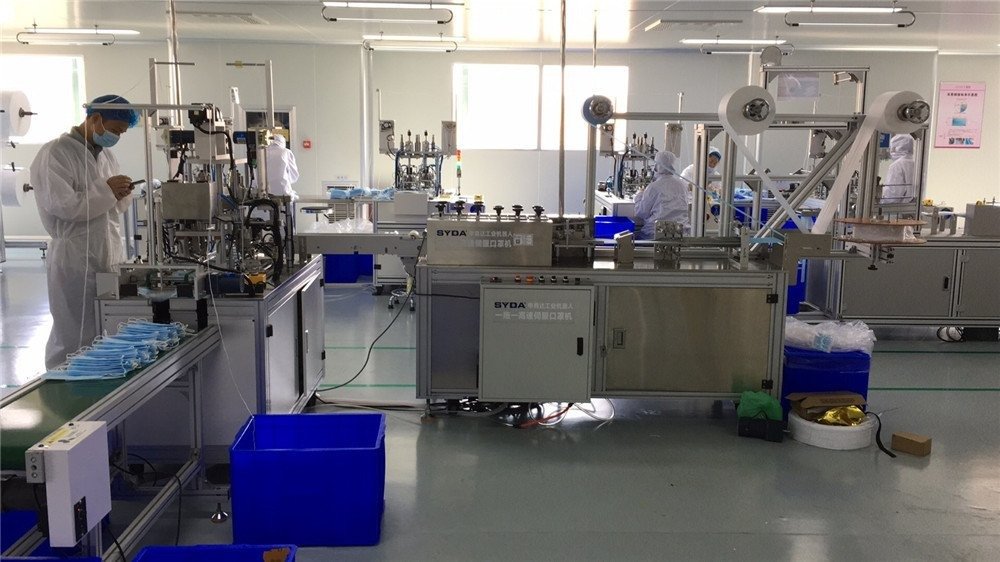
Medical textiles are fabrics specially engineered for healthcare applications. They must be safe for direct skin contact, resistant to microbes, durable under heavy laundering, and stable when exposed to bodily fluids or sterilization.
The World Health Organization groups them under “healthcare textiles” used for patient and professional protection.
These aren’t fashion fabrics. These are functional materials where performance is non negotiable.
Main Categories of Medical Textiles
Let’s break it down into the categories you will mostly see:
1. Hygiene and Disposable Products
These are single-use or limited-use materials.
Common items:
- face masks
- sanitary napkins
- baby diapers
- adult incontinence pads
- wipes
- napkins and drapes
Most of these are made from nonwoven fabrics like spunbond, melt-blown, or SMS structures. They offer breathability, barrier control, and softness without needing to survive 100 washes.
2. Surgical Textiles
This is where things get serious.
Used for:
- surgical gowns
- drapes
- caps and masks
- shoe covers
- sterile wraps

These fabrics need:
- fluid resistance
- lint control
- microbial barrier
- anti-static properties
- sterilization compatibility
Typical materials include spunlace, SMS nonwovens, and high density woven polyesters.
A Beginners Guide to Woven Fabrics
3. Implantable Textiles
These textiles go inside the human body. Yes, seriously.
Examples:
- surgical sutures
- vascular grafts
- hernia mesh
- ligament reconstruction mesh
- artificial skin scaffolds
Raw materials must be biocompatible and sometimes biodegradable. Polylactic acid (PLA), polyethylene terephthalate (PET), and special medical-grade polypropylene are common.
Factories that produce these operate under extremely controlled conditions. Not your typical textile mill.
4. Extracorporeal Textiles
These are used outside the body but assist medical devices, for example:
- dialysis filters
- artificial lungs
- blood filtration membranes
Mostly made using micro-porous or membrane-laminated materials.

5. Healthcare and Hospital Furnishing Textiles
These cover general hospital use.
Items include:
- bed sheets
- pillow covers
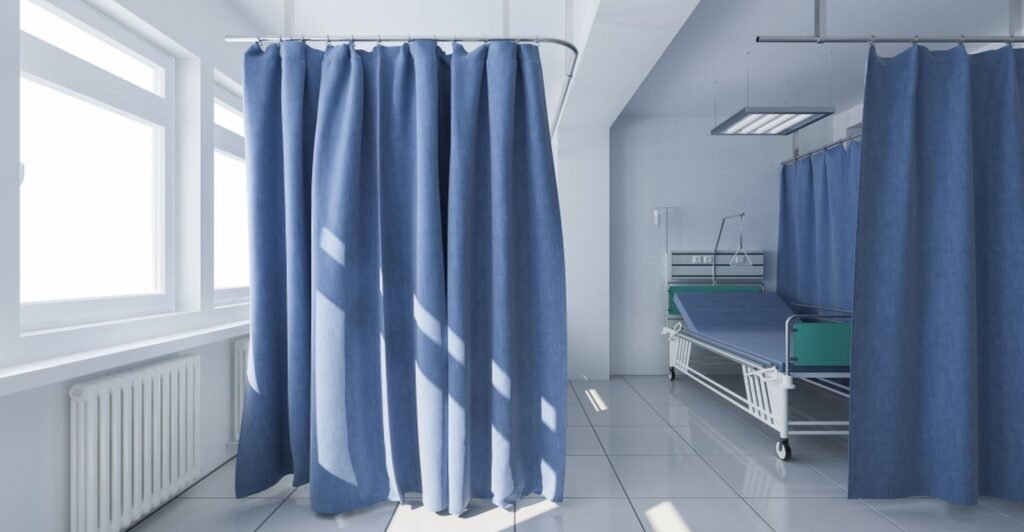
- curtains
- blankets
- staff uniforms
- patient gowns
These fabrics must survive harsh washing conditions and strong disinfectants. Cotton rich blends or polyester rich blends are usually used because of durability.
What Makes Medical Textiles Different From Normal Fabrics
Medical textiles have to follow standards that fashion fabrics never go through. Here’s what makes them stand apart:
1. Antimicrobial performance
They block bacteria growth and reduce infection risks.
2. High absorbency or controlled absorbency
Diapers, sanitary pads, and wound dressings each need different absorbency profiles.
3. Fluid resistance
Critical for surgical gowns and drapes.
4. Strength even when wet
Normal cotton loses some strength when wet. Medical textiles can’t afford that.
5. Low linting
Lint can contaminate wounds or surgical areas.
6. Compatibility with sterilization
Autoclave, gamma radiation, or ETO sterilization options must be manageable.
How Medical Textiles Are Made
The processes vary based on the function, but here are the most used methods.
Nonwoven manufacturing
Spunbond, melt-blown, SMS, needlepunch, and hydroentanglement. Most medical disposables come from here.
Woven methods
High density weaving for gowns, uniforms, bedding.
Knitted methods
Compression bandages, elastic supports, surgical socks.
Coating and lamination
Used for barrier layers and fluid resistance.
Finishes
Antimicrobial, anti-static, hydrophilic, hydrophobic, flame retardant, etc.
This is one sector where finishing chemistry is as important as the fabric itself.
Fabric Calculation for Apparel Production
Where These Textiles Are Used in Real Life
Let’s match them with practical scenarios so it feels real:
- An OT nurse wears a fluid-resistant polyester gown.
- A newborn uses a soft nonwoven diaper with SAP (super absorbent polymer).
- A dialysis patient depends on a high precision filtering membrane.
- A maternity ward uses disposable underpads for hygiene.
- A patient recovering at home uses elastic bandages and breathable dressings.
These items feel everyday but require serious engineering behind them.
Why This Matters to Merchandisers and Sourcing Teams
Even if you are not sourcing medical products now, the textile knowledge helps because:
- PPE and medical wear demand shot up after 2020.
- Some fashion factories now run parallel medical lines.
- Buyers want fabrics with antimicrobial or hygiene features for everyday clothing too.
- Performance finishes used in medical textiles often inspire innovations in apparel.
Also, if your brand is exploring wellness, loungewear, workwear or protective categories, you will eventually touch this sector in some way.
Conclusion
Medical textiles may not get the glamour of fashion fabrics, but they carry huge responsibility. These materials protect patients, reduce infection risks, support surgeries, and make hospitals cleaner and safer. The science behind them keeps evolving, and the demand rises every year as healthcare systems modernize.
If you work in textiles or sourcing, it is worth keeping an eye on innovations here. Some of these technologies eventually enter apparel, PPE, uniforms, hygiene wear, and even new sustainable categories. If you are looking for a reliable woven fabric manufacturer, please contact us.