


TL;DR
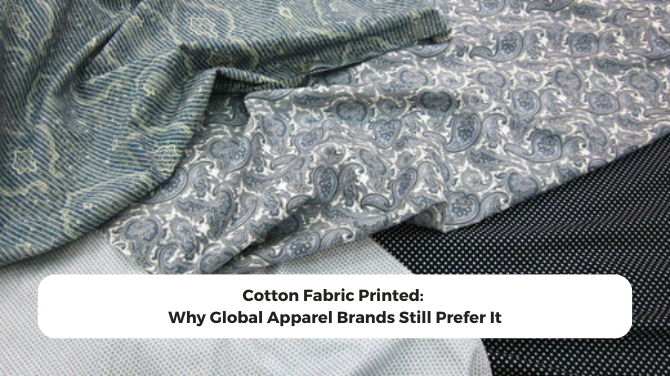
Cotton fabric printed continues to be one of the most widely used materials in global apparel manufacturing. It offers comfort, breathability, and unlimited design flexibility. For fashion brands that want consistent print quality and reliable supply, sourcing printed cotton fabrics from experienced exporters such as Dinesh Exports helps avoid many common sourcing problems.
Check out our digital woven fabric sample swatch here
Why Cotton Fabric Printed Remains a Core Fabric in the Apparel Industry
If you spend some time studying garment collections across global retail brands, you will notice something quite interesting. Despite all the new textile technologies and synthetic blends entering the market, printed cotton fabrics still dominate many clothing categories.
There are a few reasons for this.
First, cotton is one of the most comfortable fibers for everyday wear. It breathes well, absorbs moisture, and feels natural on the skin. When printing is added to cotton fabric, it suddenly becomes a powerful design tool for fashion brands.
Designers can create:
- Seasonal patterns
- Floral prints
- Cultural motifs
- Storytelling graphics
- Brand signature designs
This ability to translate creative ideas directly onto fabric is one of the main reasons cotton fabric printed remains a key material in fashion collections.
Another factor that influences printing results is the structure of the fabric itself. Different weave constructions absorb dyes and prints differently. Our guide on woven fabrics explains how fabric construction affects dye penetration and print clarity.
What Exactly Is Cotton Fabric Printed?
The term cotton fabric printed refers to cotton textiles that have designs applied after the fabric has been woven. Unlike yarn dyed fabrics, where colored yarns are woven together to create patterns, printed fabrics receive their design during a later production stage.
This printing process allows manufacturers to apply detailed patterns across the fabric surface.
The most common printing techniques include:
- Rotary printing
- Digital textile printing
- Screen printing
- Traditional block printing
Each method has its advantages depending on production volume and design complexity.
For example:
- Rotary printing is commonly used for large scale apparel production
- Digital printing works well for smaller runs and detailed graphics
Regardless of the method used, the goal is always the same. The fabric must hold color consistently while maintaining its softness and durability.
Why Apparel Brands Prefer Printed Cotton Fabrics
There are several reasons why apparel brands across the world continue to rely heavily on printed cotton fabrics.
1. Unlimited design possibilities
Printed cotton fabrics allow designers to experiment freely without being limited by yarn color combinations.
Design options can include:
- Floral patterns
- Geometric prints
- Ethnic motifs
- Abstract artwork
- Seasonal graphics
This flexibility allows brands to refresh their collections every season without changing the base fabric structure.
2. Ideal for everyday fashion
Cotton printed fabrics are particularly popular in casual apparel categories.
Common garments made using printed cotton include:
- Casual shirts
- Dresses
- Kidswear
- Sleepwear
- Resort wear
- Lightweight summer clothing
Because cotton is breathable and comfortable, garments remain wearable even in warmer climates. This is one reason printed cotton fabrics remain especially popular in markets such as the USA and Europe, where seasonal fashion collections change frequently.
3. Easy to scale for large production runs
Another major advantage of printed cotton fabrics is scalability. Once a print design is approved, manufacturers can reproduce the same pattern across thousands of meters of fabric.
However, this requires strict control of:
- Dye chemistry
- Fabric preparation
- Printing accuracy
- Finishing processes
Without proper quality control, print consistency can quickly become a problem.
Common Challenges Buyers Face When Sourcing Printed Cotton Fabrics
Although printed cotton fabrics are widely used, buyers sometimes encounter sourcing challenges.
Some of the most common issues include:
- Color variation between fabric batches
- Print misalignment during production
- Fabric shrinkage after printing
- Fading after repeated washing
- Delays during the sampling stage
These problems usually appear when fabric suppliers lack experience in managing the full textile production process. One stage that is especially critical is sample development.
Before any bulk production begins, buyers need to evaluate how the fabric behaves after printing. This includes checking:
- Color fastness
- Shrinkage
- Fabric feel
- Print clarity
Our article on woven sample explains why sampling accuracy plays such an important role in fabric sourcing decisions.
The Importance of Dye Selection in Printed Cotton Fabrics
Printing on cotton fabrics is not just about design. Dye chemistry also plays a major role in the final result. Different types of dyes react differently with cotton fibers.
If the wrong dye type is used, several problems may occur:
- Weak color fastness
- Uneven color absorption
- Fading after washing
- Print bleeding
For cotton fabrics, reactive dyes are often preferred because they form a strong bond with the fiber.
Understanding dye compatibility helps manufacturers achieve stable print quality.
Our detailed guide on criteria for selecting dyes by fibre content explains how fiber composition affects dye performance in textile manufacturing.
Why Production Planning Matters in Fabric Printing
Fabric printing may appear simple from the outside, but the production process involves several technical stages.
These stages usually include:
- Fabric weaving
- Fabric preparation and scouring
- Printing process
- Washing and fixation
- Finishing treatments
- Quality inspection
Without proper coordination between these steps, production delays can easily occur.
Reliable exporters manage these stages through structured planning systems that monitor production progress and maintain delivery timelines.
Our article on master production scheduling in the apparel industry explains how structured production planning helps textile manufacturers deliver orders on time.
Why Buyers Prefer Working With Reliable Fabric Exporters
When apparel brands source fabrics internationally, reliability becomes just as important as price.
Working with experienced exporters helps reduce several sourcing risks.
Reliable textile partners usually provide:
- Consistent fabric quality
- Stable print reproduction
- Accurate sample development
- Reliable lead times
- Transparent communication during production
At Dinesh Exports, printed cotton fabrics are developed with careful attention to each step of the manufacturing process.
From yarn selection to fabric weaving and printing control, the focus is always on maintaining quality consistency across bulk orders. This helps buyers avoid many of the common challenges that appear when sourcing fabrics from inexperienced suppliers.
You can also explore the wider range of woven fabrics available for global apparel manufacturing.
Final Thoughts
Even as textile innovation continues to evolve, cotton fabric printed remains one of the most dependable materials in fashion manufacturing.
Its popularity comes from a combination of factors:
- Comfort and breathability
- Creative design flexibility
- Suitability for large scale production
For apparel brands, printed cotton fabrics offer a practical balance between creativity and commercial viability. However, achieving consistent quality requires expertise in dye chemistry, fabric construction, printing technology, and production planning.
This is why many international buyers prefer working with experienced textile exporters who understand the entire manufacturing process. With the right sourcing partner, printed cotton fabrics can deliver both design freedom and reliable production performance. If you are looking for a reliable woven fabric manufacturer for cotton printed fabrics, please contact us.
Frequently Asked Questions About Cotton Fabric Printed
What is cotton fabric printed?
Cotton fabric printed refers to cotton textiles that have patterns or designs applied using printing techniques such as rotary printing, digital printing, or screen printing.
Is printed cotton fabric durable?
Yes, printed cotton fabrics can be very durable when high quality dyes and proper finishing processes are used. Good printing techniques help maintain color even after repeated washing.
What garments commonly use printed cotton fabrics?
Printed cotton fabrics are widely used in shirts, dresses, kidswear, sleepwear, casual clothing, and summer garments.
Does printed cotton fabric shrink?
Like most cotton fabrics, some shrinkage may occur if the fabric is not properly pre treated or finished during manufacturing.
Why do apparel brands still prefer printed cotton fabrics?
Printed cotton fabrics provide a combination of comfort, breathability, and design flexibility, which makes them suitable for many fashion applications.